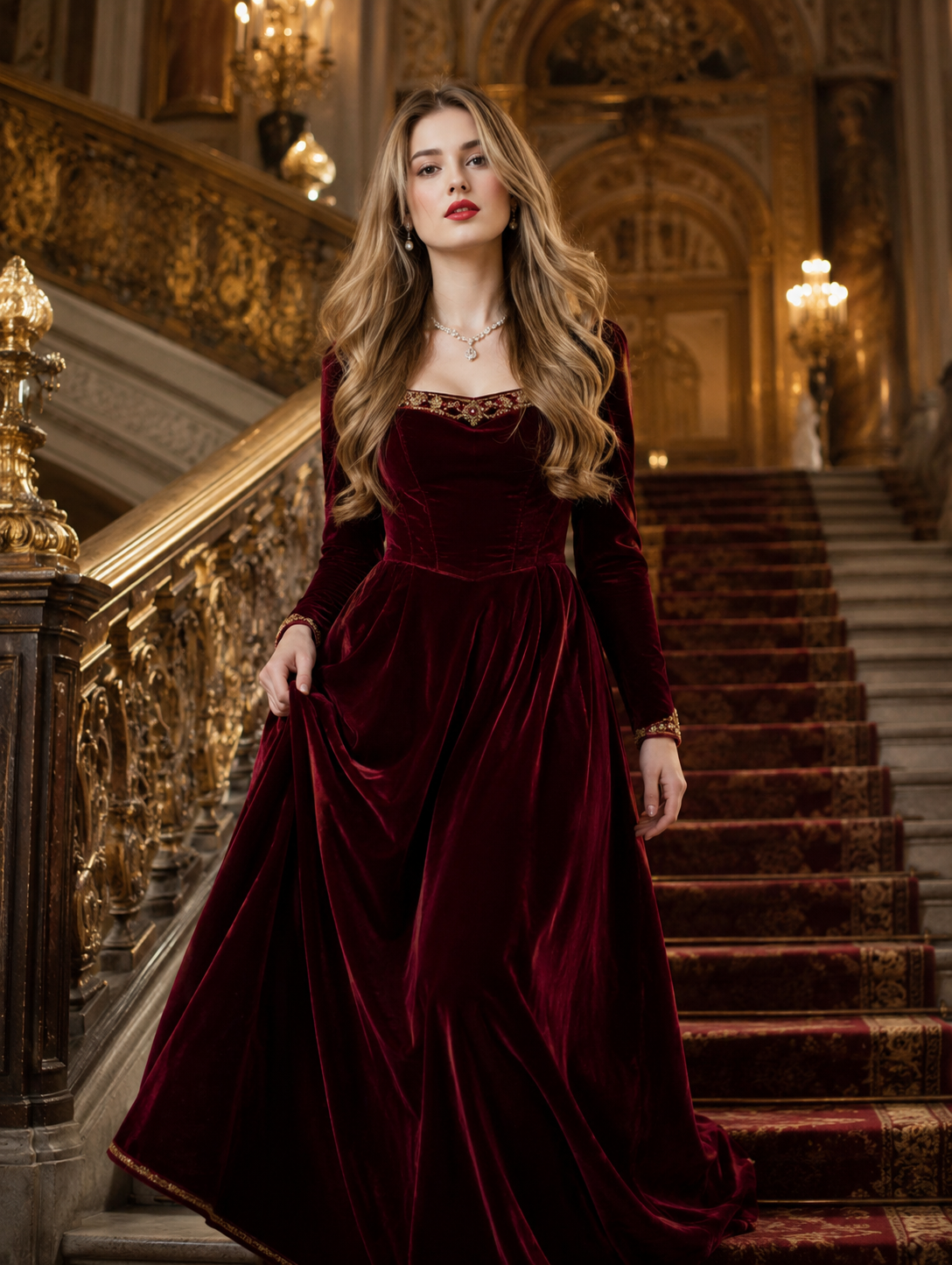
In the contemporary fashion ecosystem, the boundaries between the runway and the sidewalk have completely dissolved. Historically, style was dictated top-down: couture houses set the trends, and the public followed. Today, the street is the primary incubator of style. Modern street style represents the democratization of fashion, where individuality, comfort, and luxury merge to create a new aesthetic. At the heart of this movement is the blending of two seemingly opposite concepts: power dressing and casual elegance. No longer defined by the rigid corporate uniforms of the 1980s or the unpolished ease of basic athleisure, modern power dressing is fluid, expressive, and comfortable. This guide breaks down the science of street style, explaining how to construct outfits that project authority, elegance, and effortless chic.
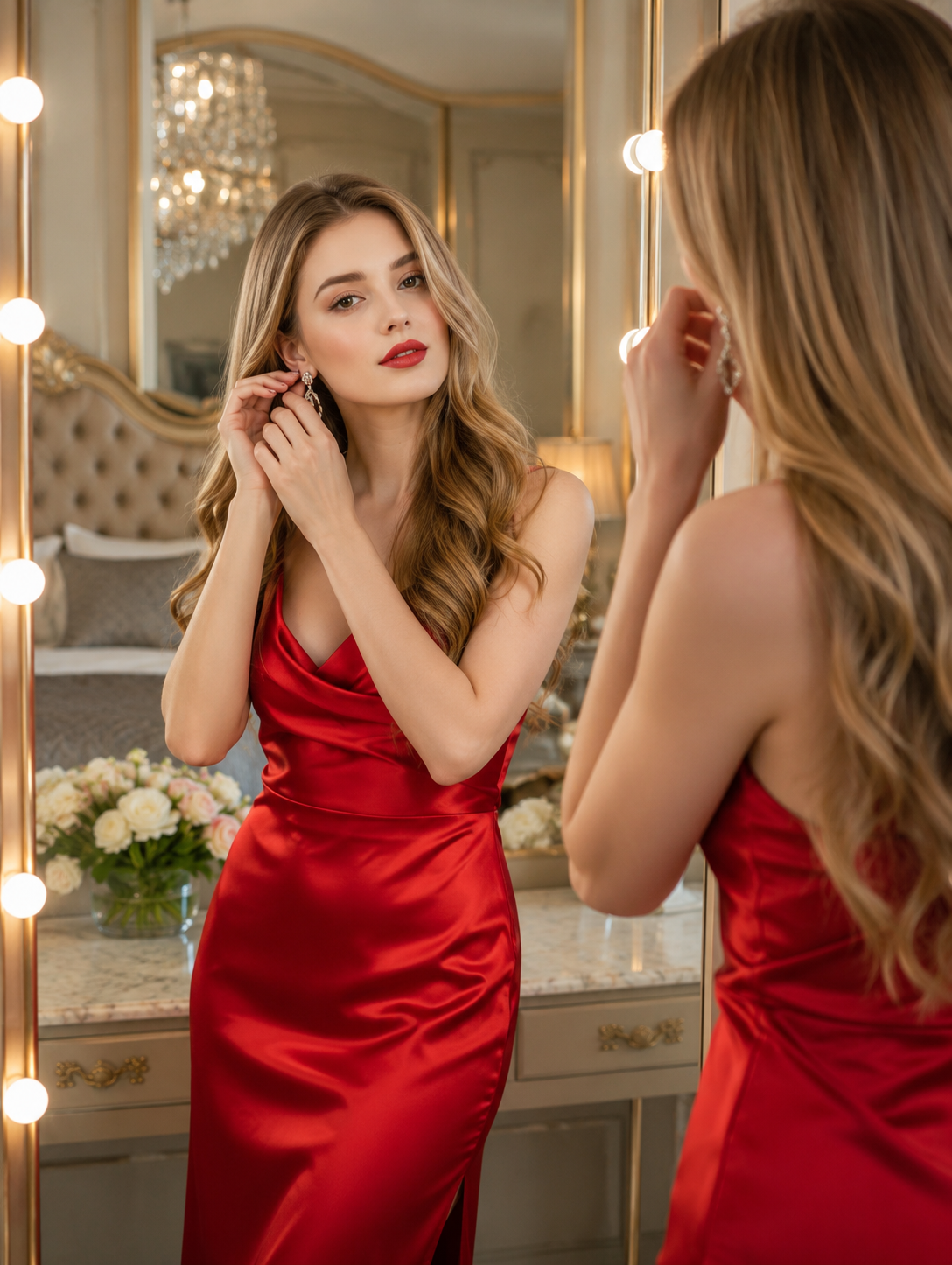
The Evolution of Street Style: From Subculture to Haute Couture
To master street style, one must understand its roots. Street style originated in the mid-20th century, emerging from youth subcultures like British punks, California skateboarders, and New York hip-hop artists. These groups used clothing to rebel against mainstream societal norms, customizing their wardrobes with patches, oversized silhouettes, and sportswear. By the early 2000s, street style had captured the attention of fashion editors and photographers, giving rise to street style blogs run by pioneers like Scott Schuman (The Sartorialist) and Tommy Ton.
This digital exposure caught the eye of luxury fashion houses, who realized that the most compelling styling was happening on the streets outside their shows. Legacy brands began hiring streetwear designers to lead their creative departments—most notably Virgil Abloh at Louis Vuitton and Demna Gvasalia at Balenciaga. This ushered in the era of “luxury streetwear,” where graphic hoodies, premium sneakers, and oversized blazers became standard runway items. Today, mastering street style is not about wearing sports logos; it is about the art of the mix—blending high-end luxury pieces with casual wardrobe staples to create a balanced, dynamic look.
The New Power Dressing: Beyond the 1980s Shoulder Pad
Power dressing originally emerged in the late 1970s and 1980s as women entered corporate spaces dominated by men. The uniform—characterized by broad shoulder pads, rigid pinstripe suits, and matching knee-length skirts—was designed to mimic masculine silhouettes and project a serious, authoritative presence. While functional for its time, that rigid structure has been replaced by a more relaxed, authentic approach to power dressing.
The new power dressing is not about copying menswear; it is about reinterpreting it. It utilizes soft tailoring, premium fabrics, and unexpected silhouettes to project confidence. Instead of a stiff, structured suit, modern power dressing features oversized blazers draped over silk tops, wide-leg fluid trousers, and structured wool coats worn open. The authority comes not from conformity, but from comfort and the quality of the tailoring. It is a style that commands a room through quiet luxury and ease of movement, transitioning effortlessly from a morning board meeting to an evening gallery opening.
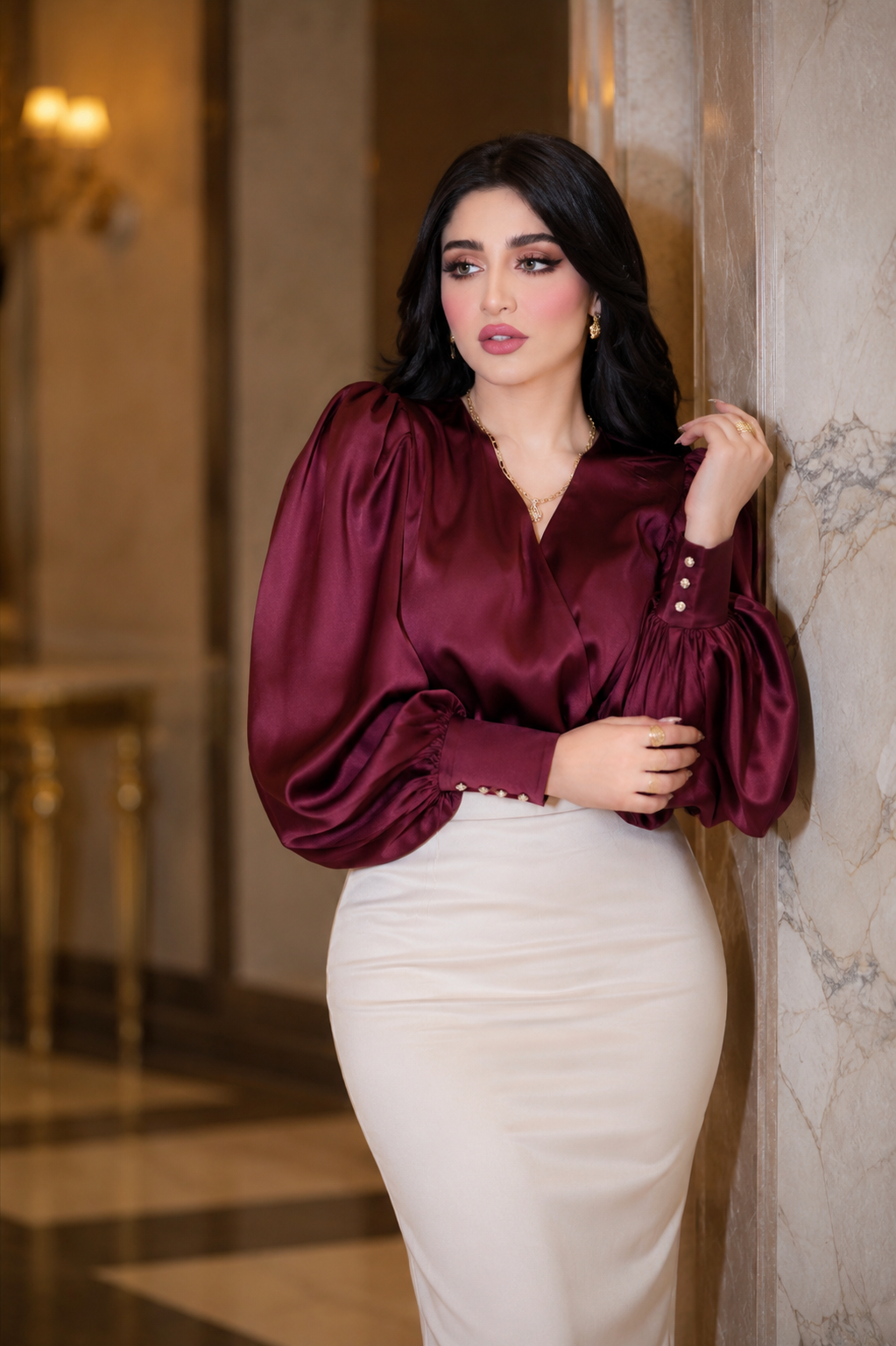
The Art of the Mix: Blending High and Low Fashion
The secret formula of the world’s most photographed street style stars is the ability to blend “high” luxury assets with “low” casual basics. An outfit composed entirely of designer logos often looks sterile and try-hard. Conversely, an outfit of only basic casuals can look unpolished. The magic happens in the contrast.
To achieve this balance, follow the **70/30 Rule**:
70% Basics and Casuals: This forms the canvas of your outfit. It includes high-quality basics like a classic white tee, relaxed-fit denim, clean cotton button-downs, or simple knitwear.
30% Elevated Luxury: These are your statement assets. It includes a tailored designer blazer, a luxury handbag, fine jewelry, a premium watch, or high-end shoes (heels or leather loafers).
For example, pairing a casual grey crewneck sweatshirt and relaxed blue jeans (the 70%) with a structured black Saint Laurent blazer, a Chanel Classic Flap bag, and gold jewelry (the 30%) creates an incredibly chic, balanced look. The casual elements soften the luxury, while the luxury elements elevate the casuals.
Key Wardrobe Elements of Modern Street Style
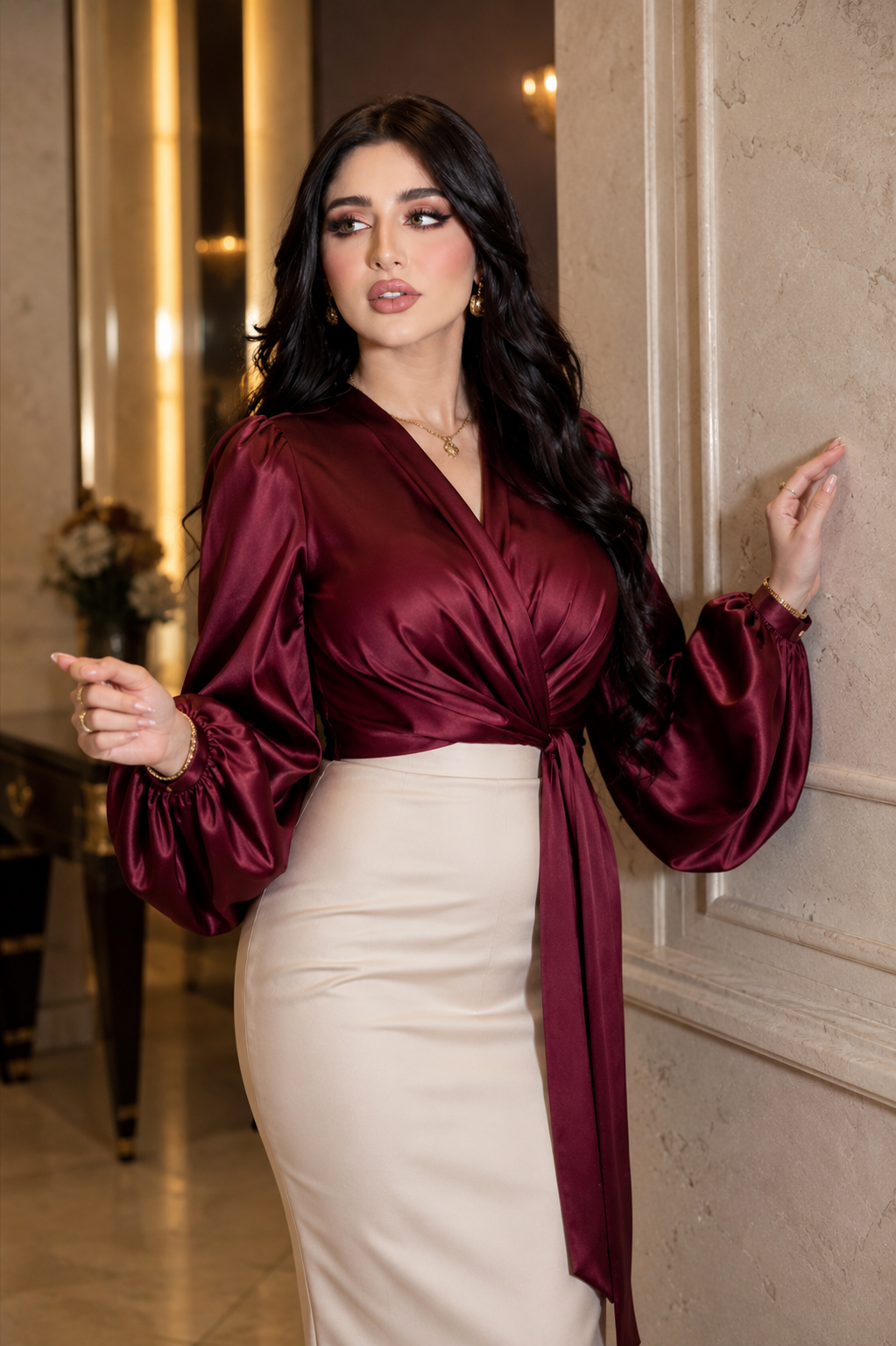
1. The Oversized, Structured Blazer
The oversized blazer is the ultimate street style anchor. When selecting a blazer, look for structured shoulders—a slight pad helps maintain the jacket’s shape even when worn oversized. The fabric should have weight, such as heavy wool, crepe, or gabardine, to ensure a clean drape. Brands like Celine, Saint Laurent, and The Frankie Shop have perfected this silhouette.
To style it, balance the volume. If your blazer is oversized, pair it with slim-fit knitwear underneath or styled with straight-leg denim. Alternatively, embrace the full-volume look by pairing it with wide-leg trousers, ensuring the waist is defined with a high-quality leather belt to maintain structure.
2. Fluid, Wide-Leg Trousers
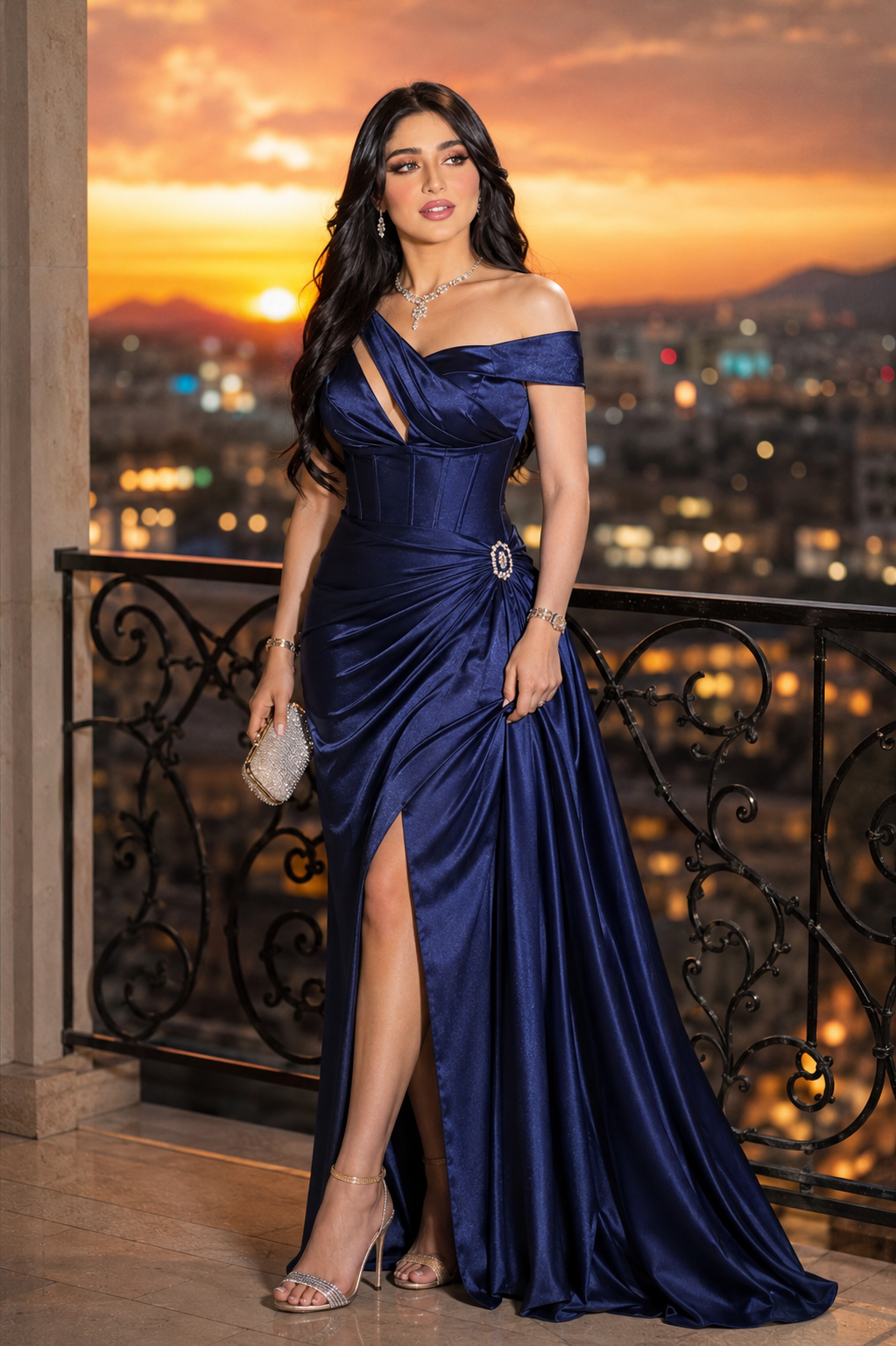
Gone are the days when skinny trousers dominated the streets. Today, fluid, wide-leg trousers are the go-to choice for casual elegance. Look for trousers with a high waist, pleats at the front, and a fabric that moves beautifully, like wool crepe, silk, or premium viscose. The hem should sit just off the ground when wearing your choice of footwear.
These trousers offer the comfort of sweatpants while looking incredibly sophisticated. Pair them with clean white leather sneakers and a tucked-in cotton shirt for a day of running errands, or style them with pointed-toe heels and a silk camisole for a dinner date.
3. The Statement Wool Coat
In colder months, your outerwear *is* your outfit. A statement wool or cashmere coat in a neutral shade (camel, black, forest green, or heather grey) is a vital street style investment. Look for a double-breasted silhouette with a tie belt, structured shoulders, and a length that hits below the calf. Max Mara’s iconic wool-cashmere coats are the gold standard of this category.
A long coat adds instant drama and polish. It can be thrown over casual loungewear or activewear, instantly transforming the look into a chic, street-approved ensemble. Keep the coat unbuttoned to show the layers of your outfit underneath, creating vertical lines that elongate your silhouette.
4. The Clean, Luxury Sneaker
Footwear in street style has shifted heavily toward the luxury sneaker. However, these are not the shoes you wear to the gym. Luxury sneakers are minimalist, crafted from full-grain leather, and feature clean soles. Examples include the Common Projects Original Achilles, the Celine Triomphe sneaker, or vintage-inspired models like the New Balance 550 set in neutral colorways.
A clean leather sneaker is the key to achieving “casual elegance.” It dresses down tailored suits, adds a modern edge to feminine dresses, and ensures you can walk comfortable for hours without sacrificing style. Keep them pristine—regular cleaning is essential to maintaining the luxury feel.
The Three Rules of Street Style Silhouette Balancing
To ensure your oversized and casual pieces look intentional and stylish, rather than sloppy, you must master the rules of volume and silhouette balancing:
Rule 1: The Rule of Thirds
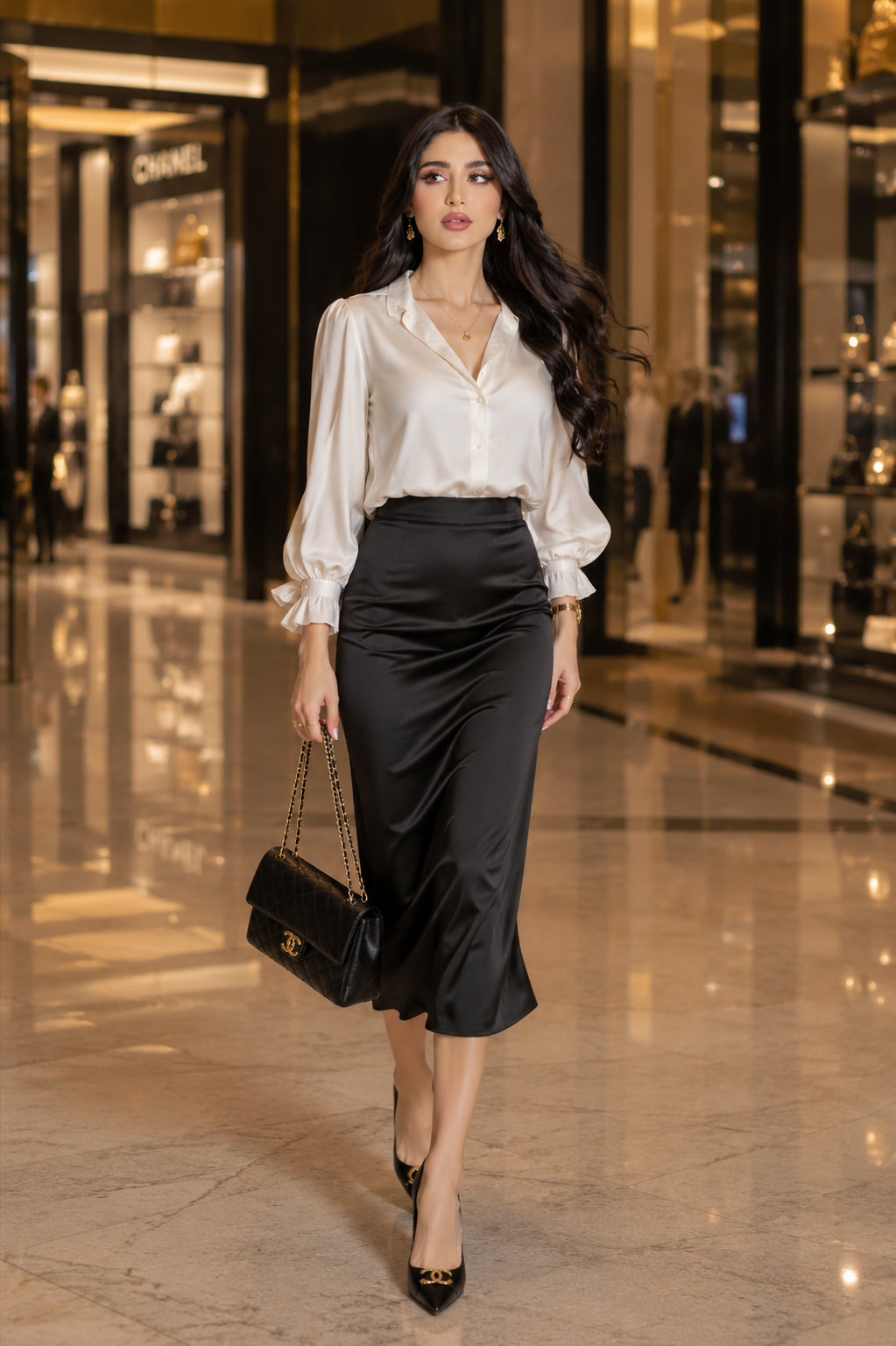
Avoid dividing your body in half visually (a 1:1 ratio), which can make you look shorter. Instead, aim for a 1:2 ratio (the rule of thirds). This is achieved by pairing high-waisted trousers or skirts with a tucked-in shirt or a cropped jacket. This elongates the legs and creates a balanced, aesthetically pleasing frame.
Rule 2: Balance Volume
If you are wearing a voluminous piece on top (such as an oversized blazer or puffer jacket), keep the bottom half slim or structured (such as straight-leg jeans, a pencil skirt, or fitted leggings). If you are wearing wide-leg fluid trousers on the bottom, keep the top half more fitted (such as a ribbed bodysuit or a tucked-in slim shirt). Wearing volume on both top and bottom requires advanced styling techniques and can easily overwhelm your frame.
Rule 3: Show Skin or Definition at the Joints
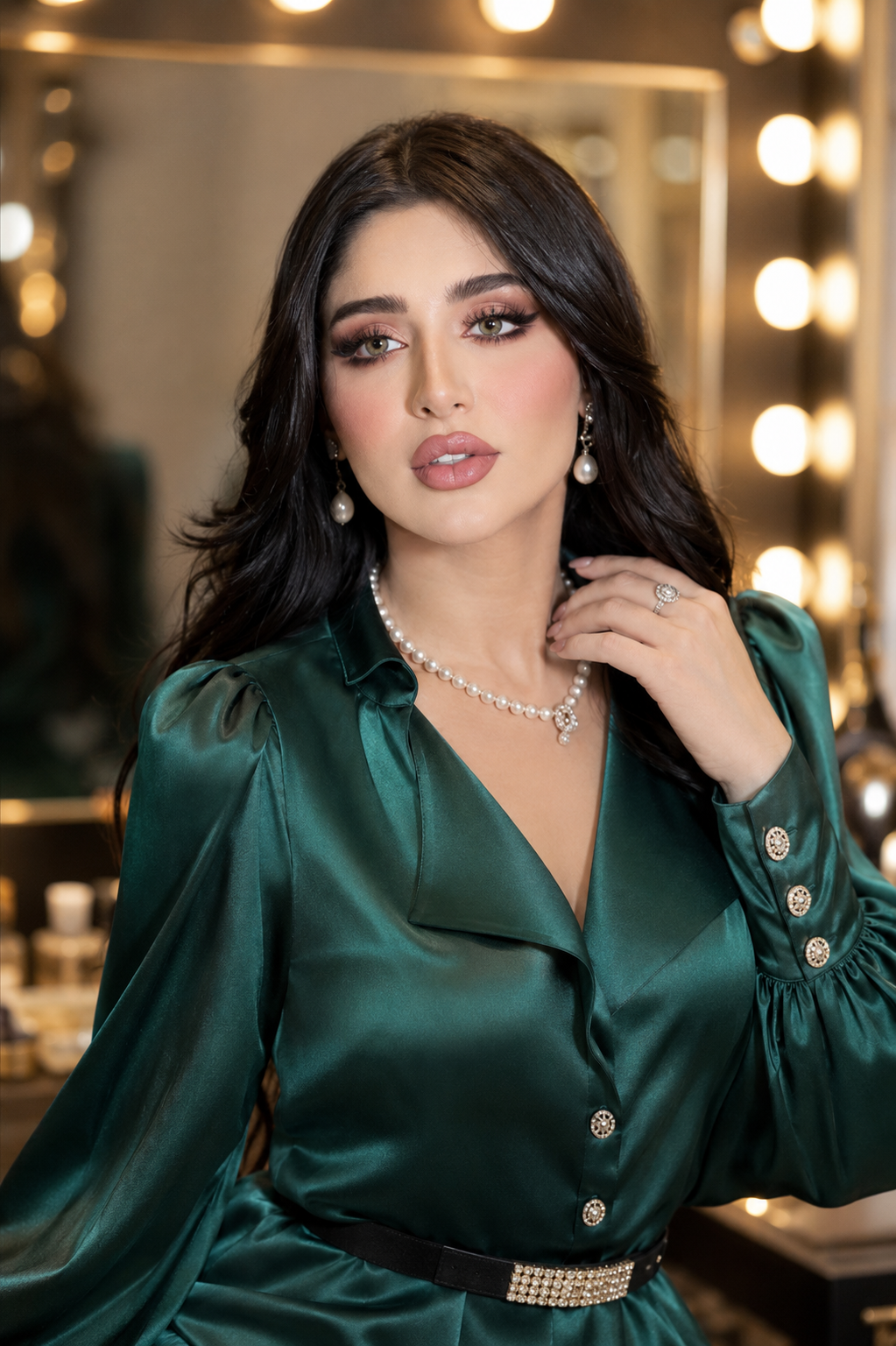
When styling oversized clothing, it is easy to get lost in the fabric. To prevent this, show definition at the narrowest parts of your body: the wrists, ankles, and waist. Push up the sleeves of your oversized blazer to show your wrists, tuck your shirt in to define your waist, and choose footwear that reveals the ankle joint. This adds structure and reminds the eye of the body’s natural proportions beneath the clothes.
Rule 4: The Role of Street Style Accessories
In street style, accessories are not secondary additions; they are key structural components that define the silhouette. A simple outfit of an oversized hoodie and sweatpants can be transformed into a high-fashion statement by adding premium, intentional accessories. Designer eyewear—specifically thick-framed black sunglasses or retro wire frames from brands like Oliver Peoples or Gentle Monster—adds mystery and instantly elevates the face. A structured, minimalist baseball cap in wool or cotton canvas introduces an athletic edge that balances formal tailoring (like a wool trench coat). Finally, chunky, industrial-style jewelry—such as thick silver link chains or bold rings—introduces texture and weight, ensuring the casual fabrics do not look flat. By layering your accessories thoughtfully, you anchor the casual elements of street style in high-end luxury.
Street Style Icons: The Creative Minds Shaping the Culture
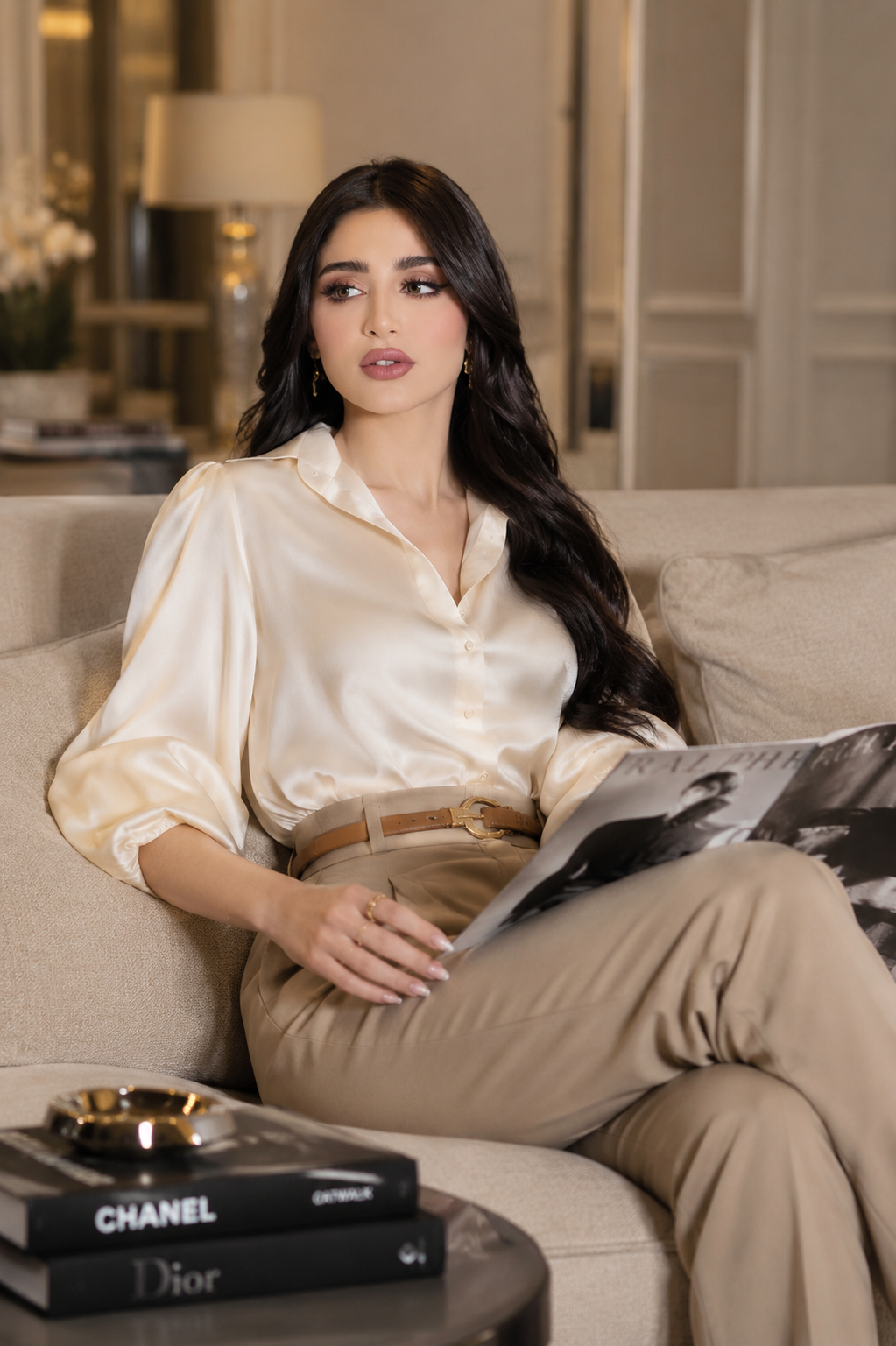
The aesthetic vocabulary of modern street style has been crafted by a handful of visionary designers who successfully bridged the gap between subcultures and Parisian high fashion. Understanding these designers help contextualize the silhouettes we wear today. The late Virgil Abloh, founder of Off-White and former artistic director of Louis Vuitton Menswear, was a pioneer of this synthesis. Abloh famously used quotation marks, industrial materials, and graphics to deconstruct luxury, proving that a streetwear hoodie could carry the same intellectual and artistic weight as a tailored suit. His work paved the way for demystifying luxury and inviting youth culture into the traditional halls of fashion.
Similarly, Demna Gvasalia, creative director of Balenciaga, has redefined the modern silhouette through extreme proportions. Demna introduced oversized, boxy jackets, cocoon-shaped coats, and chunky “dad sneakers” (like the Triple S) that challenged conventional notions of beauty and elegance. His styling emphasizes comfort, utility, and subversion. Meanwhile, Phoebe Philo, during her era-defining tenure at Céline (from 2008 to 2017), championed the minimalist, intellectual approach to street style. Philo introduced the concept of “comfortable luxury”—fluid wide-leg trousers, oversized cashmere knits, and clean leather slides—that became the ultimate uniform for the modern, professional woman. Drawing inspiration from these designers allows you to style your capsule wardrobe with an awareness of the design history behind the clothes.
Adapting Street Style for the Seasons: Layering and Fabrics
The ultimate test of street style mastery is the ability to adapt your wardrobe across the changing seasons while maintaining a structured, elegant silhouette. Layering is the primary tool for achieving this balance. In the colder autumn and winter months, the goal is to build volume intentionally. Start with a thin, breathable base layer, such as a high-quality ribbed cotton turtleneck or a silk camisole. Add a middle layer for warmth, such as a fine-knit double-faced cashmere crewneck or a structured denim shirt. The outfit is capped off with your statement wool coat or an oversized trench. This creates a rich, textured look that keeps you warm while allowing you to play with proportions.
In contrast, summer street style relies on fabric selection rather than layering. When the temperature rises, swap heavy wools and dense polyester for natural, breathable fibers like organic linen, mulberry silk, and long-staple cotton. A relaxed linen button-down shirt paired with tailored linen wide-leg trousers offers the same polished, authoritative silhouette as a winter suit, but with complete temperature comfort. Keep the color palette light—shades of ivory, sand, olive, and crisp white reflect heat and project a clean, luxurious aesthetic. Complete the summer look with high-end leather slides, minimalist sunglasses, and a structured woven bag, proving that casual elegance is year-round.
Conclusion
Mastering street style and the new power dressing is about embracing confidence and comfort. By investing in key structural pieces—like the oversized blazer, fluid trousers, and a statement coat—and balancing them with high-quality basics and luxury accessories, you build a wardrobe that is modern, functional, and visually striking. The street is your runway; dress with intention, mix high with low, and let your personal style shine through.