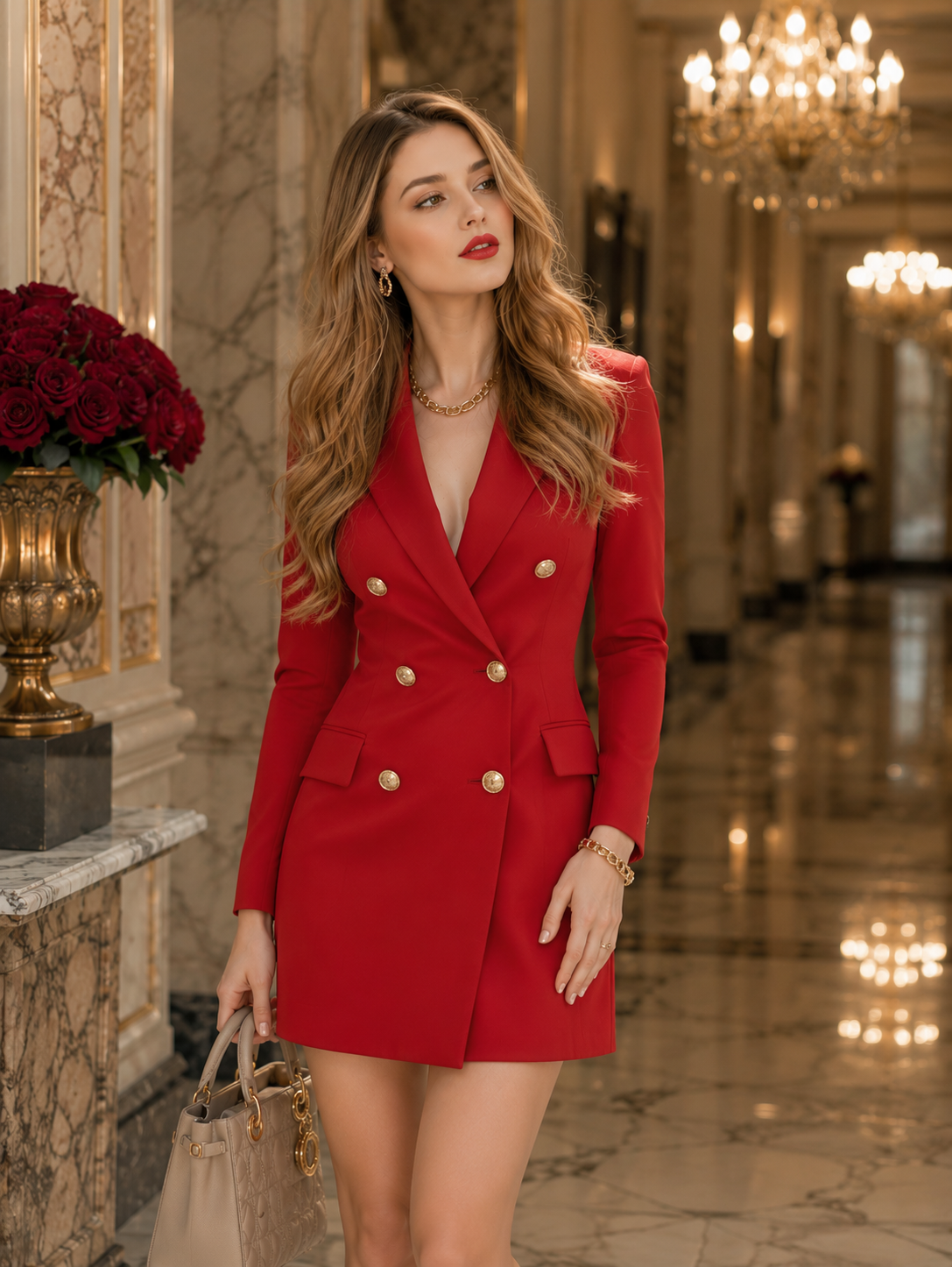
In the lexicon of style, clothing constitutes the sentences, but accessories are the punctuation marks—they define the tone, declare the emphasis, and complete the thought. While a coat or dress provides the structure of an outfit, high-end accessories like designer handbags, fine jewelry, and luxury watches contain its soul. Historically, accessories served as indicators of social status, trade alliances, and familial wealth. In the modern fashion landscape, their role has become even more profound. Accessories are the ultimate tools of self-expression and personal branding. Crucially, they have also emerged as highly stable alternative financial assets. Investing in the right accessories is the quickest way to elevate a wardrobe from ordinary to extraordinary while building a portfolio of hard luxury assets.

The Evolution of Accessories in Fashion History
To understand the current cultural and financial dominance of luxury accessories, one must look at their historical trajectory. In medieval and renaissance Europe, accessories were heavily regulated by sumptuary laws. These laws legally dictated who could wear specific fabrics, furs, and jewelry based on their social rank. Velvet bags, gold-embroidered belts, and precious gemstones were reserved exclusively for royalty and nobility. During the 20th century, the democratization of fashion transformed how women dressed. As clothing became more standardized and casual, accessories became the primary vehicle for displaying individuality and wealth.
The rise of the “It Bag” in the late 1990s and early 2000s marked a turning point. Bags like the Fendi Baguette, the Dior Saddle, and the Balenciaga City bag were no longer just functional containers; they were cultural phenomena. They dictated the pop-culture landscape, featured prominently in television shows like *Sex and the City*, and created waiting lists of eager buyers. In tandem, fine jewelry shifted from being heirloom pieces worn only on special occasions to daily signatures of style. The modern philosophy of accessories is defined by contrast: pairing a simple white T-shirt and jeans with a Cartier Love bracelet and a vintage Chanel flap bag projects a level of chic sophistication that an entirely designer outfit simply cannot replicate.
The “It” Bag Phenomenon: Handbags as Alternative Assets
The luxury handbag market has undergone a significant transformation, evolving from a consumer fashion category into a recognized alternative investment class. Global wealth managers now include designer handbags alongside fine art, rare wine, and classic cars in alternative asset portfolios. According to the Knight Frank Luxury Investment Index, handbags have consistently outperformed traditional indices, with average annual returns matching or exceeding the stock market.
However, this financial resilience is concentrated in a few legendary brands, often referred to as the “Holy Trinity” of luxury handbags: Hermès, Chanel, and Louis Vuitton.

Hermès (The Pinnacle of Scarcity)
Hermès bags, particularly the Birkin, Kelly, and Constance, represent the gold standard of luxury investments. The Hermès Birkin—designed in 1984 for actress Jane Birkin—is handmade by a single artisan using premium leathers like Togo, Clemence, or exotic skins like alligator. Each bag takes between 18 to 25 hours of labor, featuring the house’s signature hand-stitched saddle seam. Because Hermès limits distribution and does not sell these bags online, a massive secondary market exists. A Birkin bought at retail immediately doubles in value on the resale market, making it one of the safest hard assets in the world.
Chanel (The Heritage Value)
Chanel Classic Flap bags have experienced unprecedented price growth. Coco Chanel’s original 2.55 bag, introduced in February 1955, cost roughly $220. Today, a Medium Classic Flap bag retails for over $10,000. Chanel’s strategy of restricting purchase limits (often one classic bag per customer per year) and closing the gap between retail and secondary market prices has ensured that buying a Classic Flap is akin to opening a high-yield savings account. Caviar leather, known for its pebbled texture and scratch resistance, remains the most sought-after leather for preservation.
Dior and Bottega Veneta (The Design Icons)
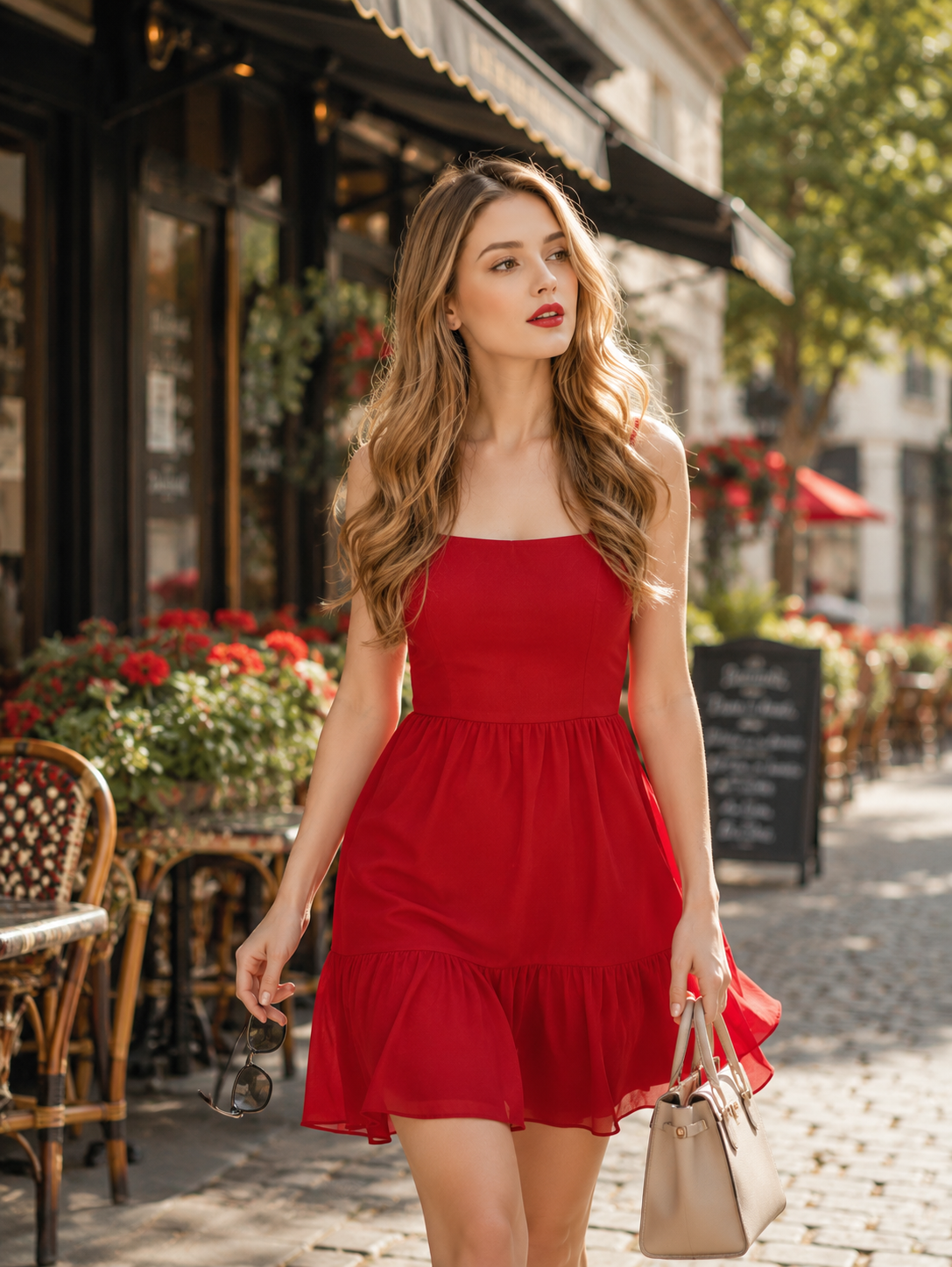
While Hermès and Chanel dominate raw resale value, Christian Dior and Bottega Veneta represent the peak of design-led luxury. The Dior Lady Bag—gifted to Princess Diana in 1995 and subsequently named after her—features the iconic cannage quilting inspired by Napoleon III chairs. Bottega Veneta, under the direction of Daniel Lee and Matthieu Blazy, revitalized its signature *Intrecciato* leather weave, creating modern icons like the Pouch, the Cassette, and the Jodie bag. These pieces hold significant value due to their structural artistry and premium lambskin construction.
Fine Jewelry: Costume vs. Investment Pieces
When curating the jewelry portion of your capsule wardrobe, the distinction between costume (fashion) jewelry and fine jewelry is critical. Costume jewelry is made from non-precious metals (brass, bronze, pewter) plated in gold, often featuring synthetic stones or crystals. While these pieces from brands like Dior or Chanel are highly fashionable, they have virtually no resale value and will tarnish or wear out over time.
Fine jewelry, conversely, is crafted from solid precious metals (18k gold, platinum) and features genuine precious gemstones (diamonds, emeralds, rubies, sapphires). These pieces carry intrinsic metal and stone value, making them resilient to inflation and wear. Within fine jewelry, investing in legendary branded collections offers the highest returns, as the brand name carries a massive heritage premium.
The Cartier Love and Juste un Clou Collections
Designed in New York in 1969 by Aldo Cipullo, the Cartier Love Bracelet is one of the most successful jewelry designs in history. Set with signature screws and locked onto the wearer’s wrist with a custom screwdriver, it symbolizes eternal commitment. The Juste un Clou (just a nail) collection, also designed by Cipullo in the 1970s, transforms a humble hardware nail into an elegant, solid gold bracelet.
Cartier Love and Juste un Clou bracelets retain roughly 85% to 95% of their retail value on the resale market. Their minimalist, industrial design makes them perfect for stacking with other bracelets or wearing solo as a daily signature. Their solid 18k gold construction means they can be worn in the shower, pool, and during sleep without tarnishing, representing a lifetime investment.
Van Cleef & Arpels (The Alhambra Collection)
Van Cleef & Arpels’ Alhambra collection, introduced in 1968, features the iconic four-leaf clover motif framed by golden beads. Symbolizing luck, health, fortune, and love, the Alhambra clover is crafted from rare materials like mother-of-pearl, carnelian, malachite, onyx, and tiger’s eye. Each stone is selected and cut by master lapidaries before being set in 18k yellow, white, or rose gold.
The demand for Van Cleef & Arpels is incredibly high, with collections like the Vintage Alhambra necklace often selling out at retail. On the consignment market, Alhambra pieces frequently command retail or above-retail prices, particularly for rare stones like malachite or limited-edition holiday pendants. The Alhambra’s delicate charm adds a touch of feminine sophistication to any capsule wardrobe.
How Accessories Transform a Basic Outfit: A Styling Guide
The true power of accessories lies in their transformative capacity. They allow you to multiply the utility of a limited clothing wardrobe. Here is how a single basic outfit can be styled into three completely different looks using the power of bags, jewelry, and shoes:
The Base Outfit: A high-quality white crewneck t-shirt and dark-wash straight-leg denim.
- Look 1: The Parisian Casual
Add the Hermès Carre silk scarf tied loosely around your neck, a camel leather belt, neutral leather loafers, and a structured crossbody bag like the Celine Triomphe. This look is polished, comfortable, and perfect for weekend lunches or travel. - Look 2: The Corporate Power Move
Drape a structured navy blazer over the t-shirt. Add a classic Cartier Tank watch, a gold Cartier Juste un Clou bracelet, black pointed-toe heels, and a structured top-handle bag like the Dior Lady Bag. Instantly, the outfit is office-appropriate and commands respect. - Look 3: The Minimalist Evening
Tuck the t-shirt in cleanly. Add a stack of gold necklaces (including a Van Cleef Alhambra pendant), diamond stud earrings, strappy black heeled sandals, and a Chanel Classic Flap bag worn with the chain doubled over the shoulder. You are ready for a gallery opening or a dinner event.
Navigating the Vintage and Resale Market Safely
Because luxury accessories carry high resale value, the counterfeit market is incredibly sophisticated. “Superfakes”—counterfeits that use real leather, correct metal weights, and precise stitching—are highly prevalent. To protect your investment, you must follow strict authentication protocols when buying vintage or pre-owned accessories.
1. Always Buy from Certified Consignment Houses
Only purchase pre-owned luxury from reputable platforms that offer robust authentication guarantees (such as eBay’s Authenticate service, Fashionphile, The RealReal, or Vestiaire Collective). Avoid buying from unverified sellers on social media or forums without third-party escrow services.
2. Understand Date Codes and Serial Numbers
Every luxury brand has its own coding system. For example:
- Chanel: Classic bags featured a serial sticker with a number corresponding to the year of manufacture (until 2021, when Chanel transitioned to microchips).
- Hermès: Uses blind stamps (letters enclosed in shapes like circles or squares) to indicate the year of production and the artisan’s workshop.
- Louis Vuitton: Uses date codes (two letters followed by four digits indicating the factory code and week/year of production).
Verify that these codes match the style, hardware, and lining of the bag.
3. Check Hardware and Stitching Details
Luxury houses do not cut corners. Stitching should be perfectly aligned and evenly spaced; Hermès uses hand saddle-stitching, which slopes slightly, whereas machine stitching is straight. Hardware should feel heavy, often crafted from plated gold or palladium, and zipper mechanisms should glide smoothly without catching. Engravings should be crisp, deep, and perfectly centered.

Vintage Jewelry Eras: Art Deco and Retro Masterpieces
For collectors seeking historical uniqueness, the vintage fine jewelry market offers distinct design eras that costume jewelry cannot replicate. The Art Deco period (1920s-1930s) is particularly coveted for its geometric symmetry, clean platinum settings, and bold contrasts—often pairing white diamonds with dark onyx, blue sapphires, or green emeralds. Influenced by cubism and industrial design, Art Deco pieces like Cartier’s geometric bracelets or jabot pins command high premiums. Similarly, the Retro period (1940s) features bold, sculptural yellow and rose gold designs, reflecting post-war optimism with larger, colorful gemstones like citrine and aquamarine. Purchasing these historic pieces ensures you own a unique work of art that carries both precious metal value and significant collector appeal.
The Circular Economy and Sustainability in Hard Luxury
Beyond the financial incentives of investment bags and fine jewelry, there is a compelling environmental argument for investing in hard luxury: sustainability. The fashion industry is one of the largest contributors to global carbon emissions, waste, and water pollution, largely driven by the high-volume, low-quality production models of fast fashion. Buying cheap, synthetic bags and costume jewelry that tarnish and get discarded within months creates a significant ecological burden. Hard luxury, by definition, is designed for permanence. A classic leather handbag or an 18k gold necklace is crafted to last for generations, naturally reducing the consumption of resources through durability.
The secondary luxury market—consisting of resale, consignment, and vintage boutiques—forms a highly efficient circular economy. By purchasing a pre-owned designer bag or a vintage watch, you are extending the lifecycle of an existing product and diverting it from landfills, without requiring new raw material extraction or manufacturing energy. Furthermore, heritage brands are increasingly adopting strict ethical standards. For instance, the Responsible Jewellery Council (RJC) enforces rigorous human rights, environmental, and labor standards across the gold and diamond supply chains. Fine jewelry crafted from certified recycled gold and conflict-free diamonds represents a clean, ethical investment. When you buy vintage or investment-grade accessories, you align your style with environmental responsibility, proving that true luxury is sustainable.
Conclusion
Accessories are the ultimate investment in your personal style. While clothing will wear out, tear, and change in fit over the years, a classic Chanel handbag, a Cartier watch, or a pair of diamond studs will endure. They carry histories of craftsmanship, markers of design revolutions, and intrinsic financial value. By curating a collection of high-quality accessories, you build a wardrobe that is both functionally versatile and financially resilient. Dress for the life you want, protect your assets, and let your accessories tell the story of your style.