Wedding Dress Alteration: Realistic Price Guide
A realistic wedding dress alteration budget starts with the work your gown needs and the prices charged where you live. The total may include adjustments to the fit, hemming, a bustle, materials, fittings, and finishing. Ask for an itemized local quote before setting your final budget.
A price guide can help you understand what might appear on an estimate. It cannot tell you exactly what a particular seamstress will charge. A gown with one clean skirt layer and a simple hem is a different project from a dress with multiple layers, a long train, lace, and detailed beadwork.
The clearest way to think about the cost is as a set of related decisions:
- What changes are necessary for the dress to fit and function?
- How difficult is each change given the gown’s construction?
- What does the local specialist charge for the work and fittings?
- Are materials, finishing, and schedule adjustments included?
These questions are useful in any country. Prices may be quoted in a local currency, as a package, by individual task, or according to the estimated time involved. Your goal is to compare the same scope of work, not to find a single figure that is supposed to fit every bride and every gown.
A Quick Visual Guide To The Main Cost Drivers
Think of the alteration quote as three parts:
The gown: its shape, fabric, layers, lining, train, and decoration.
The work: the changes you want and the amount of sewing or reconstruction involved.
The service: fittings, materials, schedule, pressing, and the specialist’s local pricing.
Each part can change the estimate. Two dresses that appear similar when hanging on a rack may have different linings, seam allowances, or finishing. And two requests that sound alike—“shorten the dress”—may mean very different amounts of work once the tailor examines the hem.
A useful quote explains the job in terms you can understand. If an estimate only gives a total, ask what that amount includes.
Common Alterations And How To Compare Their Costs
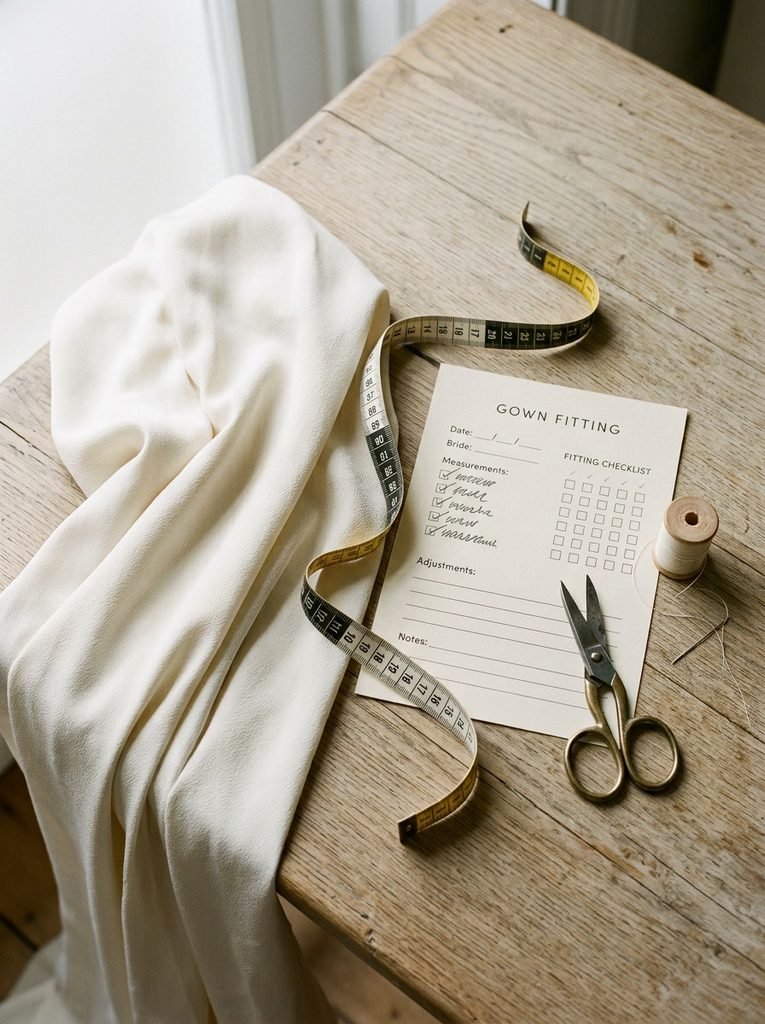
There is no dependable universal price table for bridal alterations. Instead, use this table as a checklist of quote items. It helps you see which tasks may be included and what details to clarify with a local specialist.
| Alteration | What the work may involve | What to ask about |
|---|---|---|
| Hemming | Shortening the skirt, lining, or several layers | Are all layers included? Will the original edge or trim be preserved? |
| Bodice adjustment | Changing the fit through the bust, waist, or sides | Which areas will be adjusted? Will inner structure or lining be involved? |
| Bustle | Securing the train so it can be lifted for movement | What style will be used? How many fastening points are planned? |
| Strap adjustment | Shortening, moving, reinforcing, or adding straps | Are the straps made from the gown’s fabric or another material? |
| Sleeve work | Adding sleeves or changing their fit and shape | Does the design require new fabric, lining, or a pattern? |
| Closure change | Adjusting or replacing a zipper, buttons, or lacing | Are new closures and finishing included? |
| Decorative repair | Repositioning lace, embroidery, or beadwork | How will the design be matched across the altered area? |
Use the table to request comparable estimates. If one specialist prices a hem alone and another prices the hem together with the lining and train, the totals describe different jobs.
A quote can also change after the first fitting. The fitter may discover that a seam needs to be opened, an inner layer sits differently than expected, or the gown needs more support than the initial inspection suggested. Ask how the business handles additional work. Ideally, you will be contacted and given a revised estimate before anything outside the agreed scope is done.
Why Total Estimates Can Be Different
One studio may price each alteration separately. Another may offer a package that includes a defined set of changes and a certain number of fittings. A third may estimate the project according to the time and skill involved.
All three approaches can be reasonable. What matters is knowing what the quote covers. A smaller total may exclude a fitting, material, or finishing task that appears in another estimate. A larger one may cover additional appointments or more detailed work.
Ask each business to describe the planned result, list the services, and identify any costs that are not included. This helps you understand the value and scope of an estimate without assuming that the lowest or highest total is automatically best.
What Makes One Dress More Expensive To Alter
The dress itself influences the work. Its appearance gives you an idea of the style, but the construction determines how a specialist can make a change while maintaining a neat finish.
Layers, Lace, And Beading
A skirt may have an outer fabric, lining, netting, and extra layers for shape. If several of those need adjustment, the tailor may need to handle each one separately. A decorative edge may require careful removal and reattachment so the design still looks balanced.
Beading and embroidery add their own considerations. The work may need to be done by hand, or decorations may have to be moved away from a seam before the fabric can be adjusted. Delicate materials also require careful handling to prevent snags, pulls, or uneven gathers.
At a consultation, ask which parts of the gown will be opened or altered and how the finished edge will look. If the dress has an unusual or fragile fabric, show it to the specialist before deciding on a change.
The Type Of Fit Change
A small adjustment at one seam is different from reshaping several areas of the bodice. The tailor may need to work with an outer layer and an inner structure, rather than simply taking in a piece of fabric.
Taking a dress in may be possible along existing seams. Letting it out depends on whether enough fabric is available inside the gown. If there is not, adding a panel or changing the design may be considered, but a new piece of fabric might not match exactly.
Bring your questions to the fitting. Ask what can be changed, what the result is likely to look like, and whether there is another way to get the fit or appearance you want.
Train And Bustle Design
A bustle lifts or secures a train so it is easier to move around in after the ceremony. The method should suit the gown’s shape, fabric, and train. A light train may call for a different solution than a heavy or layered one.
Ask the fitter to show you where the bustle will attach and how it will look from different angles. If possible, take a short video or notes during the demonstration. The person who will help you on the wedding day should learn how to secure it before the final pickup.
The number and placement of fastening points matter because the train needs to sit evenly. If the bustle pulls to one side or strains the fabric, bring that up during a fitting rather than waiting until the event.
Design Changes And Restructuring
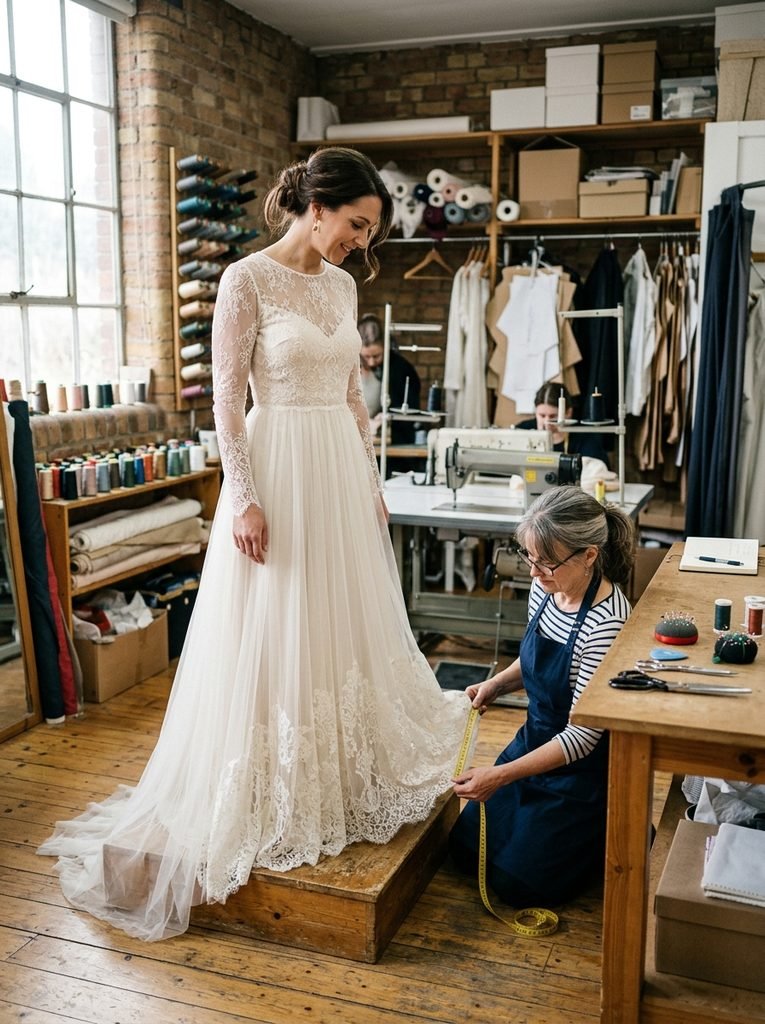
Adding sleeves, changing a neckline, replacing a closure, or altering a skirt shape can involve more than ordinary fitting. The tailor may need to plan the new design, source materials, and rebuild part of the dress.
Before approving a major change, discuss how it will affect the gown’s original design and movement. A photograph can help show what you have in mind, but the specialist should confirm what is feasible with your dress’s fabric and structure.
If you are choosing between several changes, ask which one makes the biggest difference to fit or comfort. You may decide that one carefully selected update will achieve your goal without expanding the project into a full redesign.
How To Read A Quote Before You Agree
A clear estimate makes it easier to know what you are paying for. Before you book, ask the specialist to write down the work and explain any terms you do not understand.
| Ask about | What to clarify |
|---|---|
| Scope | Which exact changes are included? Are lining and outer layers both covered? |
| Fittings | How many appointments are part of the plan? What if another is needed? |
| Materials | Are fabric, buttons, cups, loops, or other supplies included? |
| Schedule | When does the work begin, and when is the dress expected to be ready? |
| Finishing | Is pressing, steaming, or final preparation part of the service? |
| Extra work | Will the specialist contact you for approval if the scope changes? |
| Payment | When is payment due, and what payment methods are available? |
| Care | How should the gown be carried and stored after pickup? |
You can also ask how the specialist approaches a gown similar to yours. Experience with delicate fabrics, structured bodices, or ornate trains may be relevant to your dress. A good consultation should leave you with a shared understanding of the desired result and the steps involved.
How To Build A Budget In Your Local Currency
If you live outside the market where a price guide was written, converting someone else’s estimate into your currency may not produce a useful budget. Labor, materials, business costs, and local demand vary. A better approach is to request estimates from specialists who work in your area.
Try this process:
- Make a list of the changes you expect. Separate fit and length from optional design updates.
- Contact the store or maker. Ask whether they offer alterations or recommend specialists familiar with the gown.
- Get local estimates. Describe the same work to each specialist and ask what their quote includes.
- Set aside a reserve. Keep some room in your budget in case a fitting reveals an additional necessary adjustment.
- Confirm the scope in writing. Save the estimate and any later changes agreed with the specialist.
If a tailor charges by the hour, ask whether they can estimate the time involved and what might cause it to change. If they use a package price, request a list of included services. If they price each task separately, make sure combined work on the gown is reflected clearly in the total.
You can use this simple worksheet:
| Budget item | Your local estimate |
|---|---|
| Hem and skirt work | __________ |
| Fit adjustments | __________ |
| Bustle or train work | __________ |
| Materials or design changes | __________ |
| Fittings or extra appointments | __________ |
| Finishing and pickup | __________ |
| Contingency amount | __________ |
| Planned total | __________ |
The worksheet does not set prices; it helps you remember the categories that can appear in a quote. Fill it in using estimates from local professionals, then revise it after the first fitting.
A Practical Timeline For Fittings
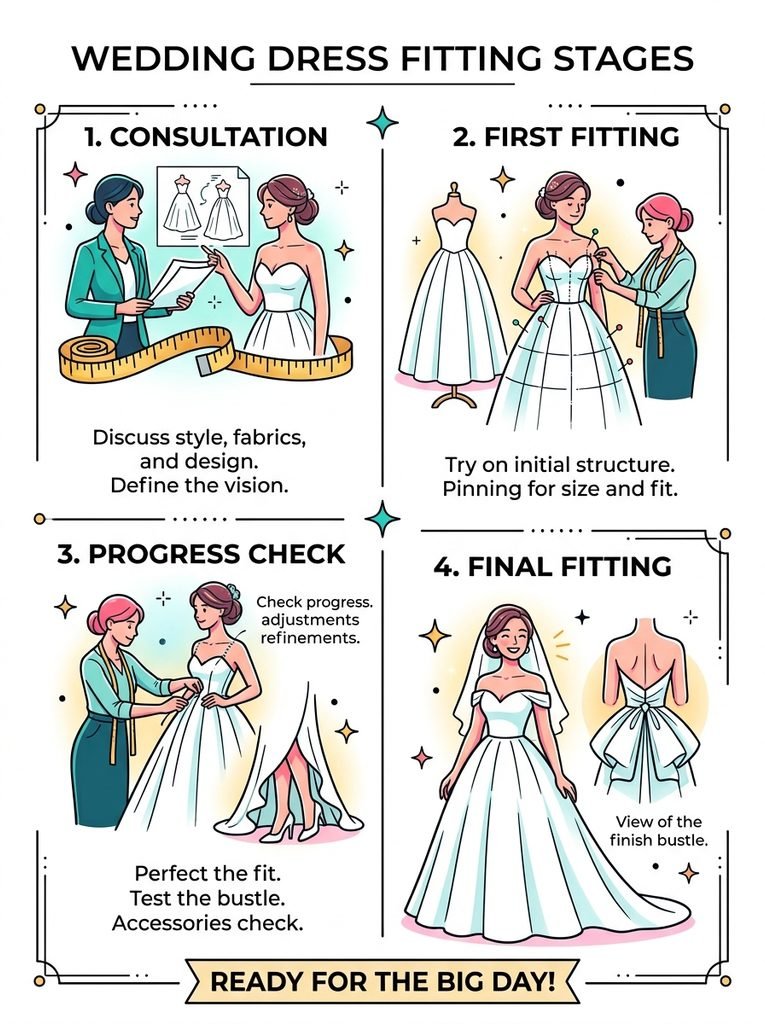
Alteration timing depends on the gown’s arrival, the complexity of the work, and the specialist’s availability. Contact a tailor early enough to learn their booking schedule and plan appointments around the wedding date.
After choosing the gown: Ask when to book and what to bring to the first appointment.
First fitting: Bring the shoes and undergarments you expect to wear. Discuss the fit, length, bustle, and any design changes.
Progress fitting: Check the main adjustments and discuss any refinements while there is still time to make them.
Final fitting: Walk, sit, raise your arms, and practice the bustle. Bring the person who will help with it on the day if possible.
Before pickup: Confirm the payment, collection plan, and instructions for transporting and storing the gown.
The shoes matter because they affect the hem length. The undergarments matter because they can change how the bodice sits. If either changes after the fitting, tell the specialist promptly.
If you expect your measurements to change, bring it up before work begins. Your tailor can explain how that might affect the schedule and which adjustments should happen closer to the event. Avoid assuming that every change can be left until the final fitting.
Ways To Keep The Bill Manageable Without Sacrificing Fit
The aim is to spend thoughtfully while still having a gown that fits and feels comfortable. Start by separating necessary adjustments from changes you would simply like to make.
- Choose a gown that fits your largest measurement. A specialist can explain what is possible in other areas.
- Prioritize movement and comfort. Make sure you can walk, sit, and move your arms as needed.
- Decide on shoes early. This helps the specialist assess the hem accurately.
- Keep the design changes focused. Ask what one change would best deliver the look you want.
- Compare quotes with the same scope. A package and an itemized estimate are easier to compare when the included work is clear.
- Ask about materials before approving a change. A design update may require fabric that is difficult to match.
- Book before the schedule becomes urgent. This gives you more time to compare local options and plan fittings.
- Do not approve work you do not understand. Ask the fitter to explain the result and any limitations first.
Saving money by skipping an alteration may not be worthwhile if it leaves you unable to move comfortably or causes the dress to sit poorly. At the same time, a major redesign is not automatically necessary just because it is possible. Ask the specialist to distinguish what the dress needs from what is optional.
Illustrative Budget Scenarios
These examples are not quotes or price promises. They show how the scope of work can differ.
| Scenario | Possible scope | What to confirm |
|---|---|---|
| Simple adjustment | One fit change or a straightforward hem | Whether the estimate includes the lining and final fitting |
| Several standard changes | Hem, bodice adjustment, and bustle | Which layers and bustle details are included |
| Extensive custom work | Multiple fit changes, decorative work, or a design alteration | Materials, extra appointments, schedule, and approval for added work |
For a simple job, the quote may be relatively easy to define. Several standard changes require a more detailed estimate. Extensive custom work may need a consultation before the tailor can give a firm price.
The best comparison is not “How much does a wedding dress alteration cost?” in the abstract. It is “What will this specialist charge to do this exact work on this specific dress, and what does that price include?”
Key Takeaways
- Wedding dress alteration costs depend on the gown, requested changes, local labor, materials, fittings, and schedule.
- A global price table can mislead because currencies and local markets differ.
- Ask for an itemized quote or a written description of the package.
- Compare specialists using the same list of changes and included services.
- Bring the shoes and undergarments you plan to wear to fittings.
- Confirm any added work and cost before it begins.
FAQ
Can a wedding dress be altered if it is several sizes too large?
It may be possible, but the result depends on the dress’s construction and the amount of work needed. A large adjustment can affect several sections, the proportions, and decorative details. Ask a bridal specialist to inspect the gown before purchasing or approving extensive work.
Should I tip a wedding dress seamstress?
Tipping practices vary by business and country. Ask the studio whether gratuity is customary or accepted. You can also express thanks in another way, such as leaving a review or recommending the specialist to someone else.
How many fittings will I need?
The number depends on the changes and the specialist’s process. A straightforward alteration may require fewer appointments than a gown with several fit or design changes. Ask how many fittings are included and what happens if the dress needs another check.
Is it cheaper to use the bridal shop’s seamstress?
It depends on the shop, the local market, and the scope of work. An in-house specialist may know the gown’s designer and construction, while an independent tailor may offer a different service or pricing structure. Compare the same changes and fitting arrangements before deciding.
What if my measurements change after the first fitting?
Tell the specialist as soon as possible. They can explain whether the work can be scheduled differently or whether the change may affect the fit, cost, or timeline. The best plan depends on the gown and how much the measurements have changed.