Does Home Insurance Cover Jewelry? The Coverage Gap Explained
Does Home Insurance Cover Jewelry? The Coverage Gap Explained
Home insurance often includes some protection for jewelry, but that does not always mean an expensive ring, watch, or necklace is covered for its full value. The amount you could receive may depend on what happened, where the item was, and whether it was listed separately on your policy.
A piece stolen during a break-in, a ring damaged in a fire, and a necklace that goes missing while travelling can all be treated differently. The details are in the policy wording, including its limits, exclusions, deductible, and rules for belongings taken away from home.
Quick answer: Jewelry is commonly covered as part of home contents or personal-property insurance when it is lost or damaged by an event the policy covers. However, policies may set lower limits for jewelry or individual items. Accidental loss and damage outside the home may need extra cover. Check the policy terms to see what protection applies to each piece.
Key Takeaways
- Jewelry may be included in home contents cover, but a special limit can cap the payment.
- Coverage depends on the cause of the loss. Theft, fire damage, accidental damage, and unexplained disappearance may be treated differently.
- The total limit for household belongings may be much higher than the limit for one ring or watch.
- Listing a valuable item separately may increase its insured amount or broaden its protection, depending on the policy.
- Jewelry taken outside the home may need portable or personal-possession cover.
- Receipts, photographs, descriptions, and appraisals can help document what you own.
Seven Things To Check Before Relying On Home Insurance
Jewelry May Be Included In Your Contents Cover
Home insurance often has separate sections for the building and the belongings inside it. Jewelry is generally treated as a personal possession or a contents item, alongside clothing, furniture, and electronics. If you rent, the property owner’s insurance may cover the building, while your own belongings need separate contents cover.
Policies do not all define or protect belongings in the same way. Some distinguish between items kept at home and items regularly worn or carried outside. Others set special terms for valuables such as jewelry, watches, precious metals, or collections.
That means “covered” is only the first question. You also need to know what events are covered, where the item is protected, and whether a separate limit applies. A policy could cover jewelry damaged in a covered house fire but pay only up to a much smaller amount if it is stolen.
Start with the contents or personal-property section of your policy. Then look for headings such as “special limits,” “valuables,” “single-item limits,” or “personal possessions.” The wording will show whether jewelry is included and what restrictions apply.

A Jewelry Limit Can Cap The Payout
A policy may insure all household contents up to a broad total, while placing a lower maximum on certain valuable items. This smaller maximum is often called a sublimit. It can apply to one item, a category of items, or a particular kind of loss.
For example, a policy might set one maximum for all jewelry involved in a claim and another maximum for a single piece. Some policies also apply different limits depending on whether the item was stolen, damaged, or lost in another way.
Check whether a limit is:
- Per item or per claim.
- For all jewelry combined or for each type of item.
- Specific to theft or applicable to other losses too.
- Applied before or after the deductible.
The general contents limit does not override a more specific jewelry limit. If the policy says a particular category has its own maximum, that smaller amount may control the claim.
Pairs and sets can have their own rules as well. A pair of earrings or a matching jewelry set may be assessed together, even if only one piece is missing or damaged. Read the policy’s wording carefully and ask the insurer how it would handle a partial loss.
Theft, Damage, And Unexplained Loss May Be Treated Differently
Home insurance usually covers belongings only in circumstances described by the policy. A piece of jewelry stolen during a covered break-in may be treated differently from a ring that slips off unnoticed or a bracelet damaged during an everyday activity.
| Situation | What To Check |
|---|---|
| Jewelry stolen from the home | Whether theft is covered, what jewelry limit applies, and whether security conditions matter |
| Jewelry damaged in a fire | Whether the event is covered and how the value of the item will be assessed |
| A ring misplaced or missing without a known cause | Whether unexplained disappearance or accidental loss is included |
| Jewelry damaged in an ordinary accident | Whether accidental-damage cover applies |
| Jewelry lost or stolen while travelling | Whether the policy covers belongings outside the home and in that location |
These examples are general. A theft claim, for instance, may still depend on the facts and the policy’s conditions. The insurer may ask when and where the item disappeared, what steps were taken to protect it, and whether the incident was reported.
Look for the terms the policy uses to describe a loss. “Theft,” “accidental loss,” “damage,” and “unexplained disappearance” can have different meanings. If the wording is unclear, ask the insurer to explain how it applies to the situation you are concerned about.
The Deductible And Settlement Method Affect The Payment
A deductible—sometimes called an excess—is the portion of a claim you pay yourself. If the value of the loss is close to the deductible, the payment from the insurer may be small or there may be no payment after it is applied. Consider this when deciding whether a low-value loss is worth claiming.
The policy also determines how the insurer values an item. It might use:
- Replacement cost: the amount needed to replace the item under the policy’s conditions.
- Actual cash value: a value that may account for age, condition, or depreciation.
- A stated or agreed amount: a value recorded for a separately insured item, subject to the policy terms.
The item’s original purchase price does not necessarily determine the claim payment. The value may have changed, and the policy may use a particular method to settle the loss. An appraisal or receipt can help establish what the item is and what it was worth, but the insurer still applies the contract’s valuation rules.
Before adding cover for a valuable piece, ask how a claim would be settled, whether a deductible applies, and whether the insurer will repair, replace, or pay cash. Get the details in writing if they are important to your decision.
Listing A Piece Separately May Increase Its Protection
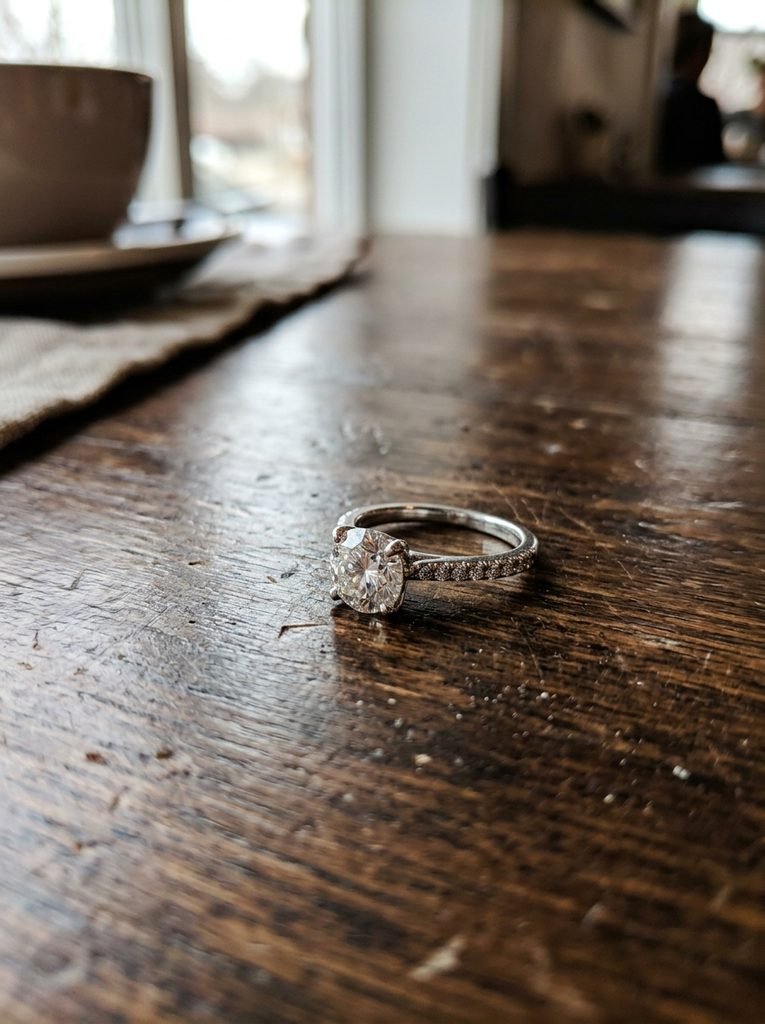
Insurers may let you list a ring, watch, or other valuable piece individually on the policy. This is often called scheduling an item. The insurer may ask for a description and proof of value, such as a receipt or professional appraisal. The policy schedule then records the item and the cover that applies to it.
Listing a piece separately can raise the maximum amount available for that item. Depending on the policy, it may also extend protection to types of loss that are not included in basic contents cover. The details vary, so do not assume that a scheduled item is automatically covered against every possible event.
Ask what the additional cover includes. In particular, check whether it protects against accidental loss, damage, theft outside the home, or loss while travelling. Find out whether a deductible applies, what exclusions remain, and whether the stated value needs to be reviewed over time.
You may also be able to increase the overall jewelry limit without listing every item individually. A separate jewelry policy is another possibility. Compare the options by looking at the total premium, limits, exclusions, deductibles, and claim process—not just the amount shown next to the item.
Jewelry Taken Outside The Home May Need Extra Cover
Some home policies offer limited cover for belongings outside the home; others require an optional add-on. A policy may treat a ring worn every day differently from one kept in a safe. It may also set rules for travel, unattended belongings, or items left in a vehicle.
Think about where and how you use your jewelry. A watch taken on regular trips may need different protection from a necklace that rarely leaves home. Before travelling with a valuable piece, check:
- Whether cover applies when the item is worn outside the home.
- Whether the protection applies in other countries.
- Whether there is a limit on how long you can travel.
- What rules apply if the item is left in a hotel room, car, or luggage.
- Whether you must use a safe or keep the item with you.
- Whether a separate limit applies away from home.
A policy that covers personal belongings away from the home may still have geographic limits, exclusions, or lower limits for valuable items. Do not rely on a general phrase such as “worldwide cover” without checking what it means in the full policy.
Records Can Help Document What You Own
An insurer may ask you to show that you owned the item and provide details about its appearance, age, condition, or value. Keep relevant records somewhere separate from the jewelry itself. A basic inventory can include:
- Purchase receipts or certificates.
- Clear photographs of the item from several angles.
- A written description of its materials, stones, maker, and identifying marks.
- An appraisal or valuation, if you have one.
- The policy schedule for any item listed separately.
Requirements vary by insurer and by the type and value of the item. Some may accept a receipt or other documentation; others may request a professional appraisal before adding an item to the policy. Ask what evidence is acceptable and whether the valuation must be updated.
Records are useful for more than a claim. They can help you estimate the total value of your jewelry and decide whether your current limits are sufficient. If you inherit a piece or receive one as a gift, keep any paperwork that comes with it and ask the insurer what else it needs to document the item.
How To Check Whether Your Jewelry Has A Coverage Gap
Start with the policy schedule and full wording. Make an inventory of the jewelry you want to protect, note each piece’s approximate value, and record whether you keep it at home, wear it regularly, or take it on trips.
Then check three figures: the limit for an individual item, the total jewelry limit, and the deductible. If a piece is worth more than the amount the policy would pay, ask about listing it separately, increasing a category limit, or getting dedicated jewelry cover.
Finally, consider the losses you want protection against. Someone who mainly wants protection against a major insured event at home may need different terms from someone concerned about accidental loss or theft while travelling. Ask the insurer to explain the options and provide the updated terms before deciding.
Frequently Asked Questions
Does Home Insurance Cover A Lost Ring?
It may, but a ring that is misplaced or disappears without a known cause may not be covered under basic contents protection. The policy may require the loss to result from a covered event. Check whether accidental loss or unexplained disappearance is included.
Does Home Insurance Cover Jewelry Stolen Outside The Home?
It can if the policy includes cover for belongings away from home or the item is listed with that protection. Location limits, travel conditions, item limits, and rules about unattended belongings may apply. Check before taking valuable jewelry on a trip.
Do I Need An Appraisal To Insure Jewelry?
That depends on the insurer, the value of the item, and the type of cover you choose. An insurer may accept a receipt or other documentation, or it may ask for a professional appraisal. Ask what it requires before adding the item.
Is Separate Jewelry Insurance Better Than A Home Insurance Add-On?
Neither option is automatically better. Compare the price, deductible, covered events, exclusions, travel protection, settlement method, and claim conditions. The right choice depends on the item and the protection you need.
Should I Make A Claim For A Low-Value Jewelry Loss?
Compare the potential payment with the deductible and consider whether a claim could affect your insurance history or future terms. If you are unsure, ask the insurer how it handles small claims and what the likely payment would be under your policy.