Designer Bag Authetication How To Spot A Fake
Think of authentication as a test of agreement. Does everything about the bag — how it was built, what it’s made of, what’s written on it and where it came from — tell the same story?
Luxury workshops produce to strict tolerances. Thread tension, stitch spacing, how thick the edge sealant sits, how heavy a turn-lock feels in the hand: each of these is controlled deliberately. A counterfeiter can nail a handful of them. Nailing every one at once, on the same item, while still selling it for a profit, is much harder. That gap is where fakes get caught.
So experienced authenticators rarely rely on a single giveaway. One oddity might be a factory variation, a repair or just age. Several oddities on one bag form a pattern, and patterns are what matter.
The very first question, though, is simple: roughly when was this bag produced? Get that wrong and every check that follows is measured against the wrong standard.
How Authentication Worked Before The Chip Era
For most of the late twentieth century and the first two decades of this one, identifying a bag meant reading something printed, pressed or stuck inside it.
Louis Vuitton stamped date codes — short strings of letters and numbers indicating where and roughly when a piece was made. Chanel used a numbered hologram sticker inside the bag, paired with a matching card, and the numbering lengthened over the decades. Hermès pressed small blind stamps into the leather to mark the production year and the workshop, a system dating collectors still lean on.
These systems worked well while the codes were obscure. Once collectors shared photos of genuine examples across forums and resale listings, counterfeiters simply copied the formats. A correctly structured code stopped meaning “real” and started meaning “the forger did their research.”
Table 1: Identifiers By Brand And Era
| Brand | Older bags | Newer bags | What it proves on its own |
|---|---|---|---|
| Louis Vuitton | Printed date code on a tab or interior seam | Hidden chip in the lining, no visible code | Very little — codes get copied and chips can’t be checked by buyers |
| Chanel | Hologram sticker with a matching card | Small interior metal plate with a code, plus a chip | Very little — stickers, cards and plates are all imitated |
| Hermès | Blind stamp marking year and workshop | Blind stamp system continues | Useful for dating, not proof |
| Other houses | Serial tags, cards, dust bags | Growing use of QR codes, chips and digital certificates | Supporting evidence only |
Where Things Stand Now: Chips, Plates And Superfakes
The Louis Vuitton Microchip
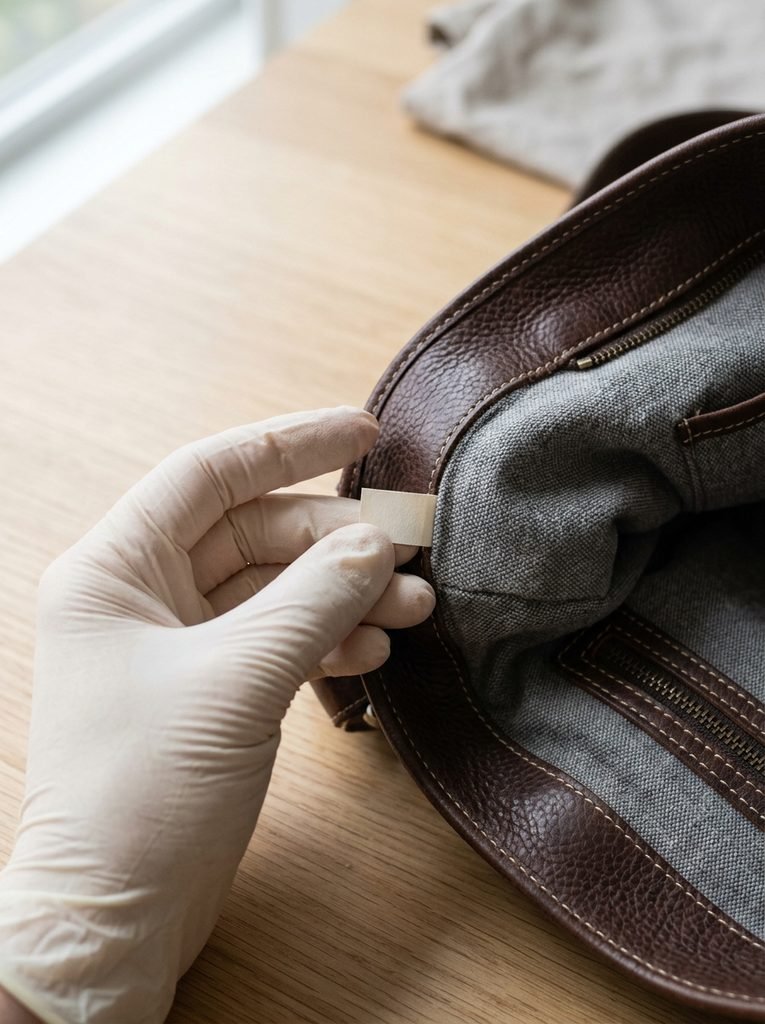
On recent Louis Vuitton pieces, the chip sits tucked between the outer material and the lining. It isn’t meant to be seen; at most you might feel a thin, stiff patch. The information on it is designed for the brand’s own staff and systems — not for shoppers. There is no official app that lets you hold your phone to the bag and receive a verdict.
That creates an opening for dishonest sellers. Many fakes now include a chip of their own, and a phone will react to it exactly as it would to a genuine one. Detection tells you something is there. It tells you nothing about who made the bag.
The Chanel Microchip And Metal Plate
Chanel retired its sticker-and-card pairing in favour of a small metal plate fixed inside the bag, carrying a short code, with a chip doing the real record-keeping. Newer bags come without the familiar card.
Two knock-on effects are worth knowing. The newer codes don’t reveal the production year the way the old numbering did, so dating a bag by eye has become harder. And an authentic bag belongs to one system or the other. A bag displaying both an old-style sticker and a new-style plate should make you stop immediately.
The Rise Of Superfake Handbags
“Superfake” is the trade’s term for counterfeits made to survive inspection, not just a glance across the room. They often copy cards, holograms, stamps and even the look of internal plates with real precision.
Here’s the uncomfortable truth: the markings people were taught to trust are now among the easiest parts of a bag to forge. Craftsmanship, material behaviour and the bag’s ownership history now carry most of the weight.
The Seven Components Every Genuine Bag Must Get Right
Each of these is costly to reproduce perfectly across a whole bag. Look at all seven before forming an opinion.
- Stitching. Stitches should be even in length, sit at a consistent angle and hold the same density from one panel to the next. Pay extra attention where strain collects — where handles meet the body, at corners and around strap fixings. Weak copies tend to drift or cluster there.
- Leather and canvas. Real leather has a believable, even grain and a natural scent rather than a chemical one. Coated canvas should bend smoothly without feeling sticky or stiff. On a new bag, the painted edges should be tidy and level, not bubbled or split.
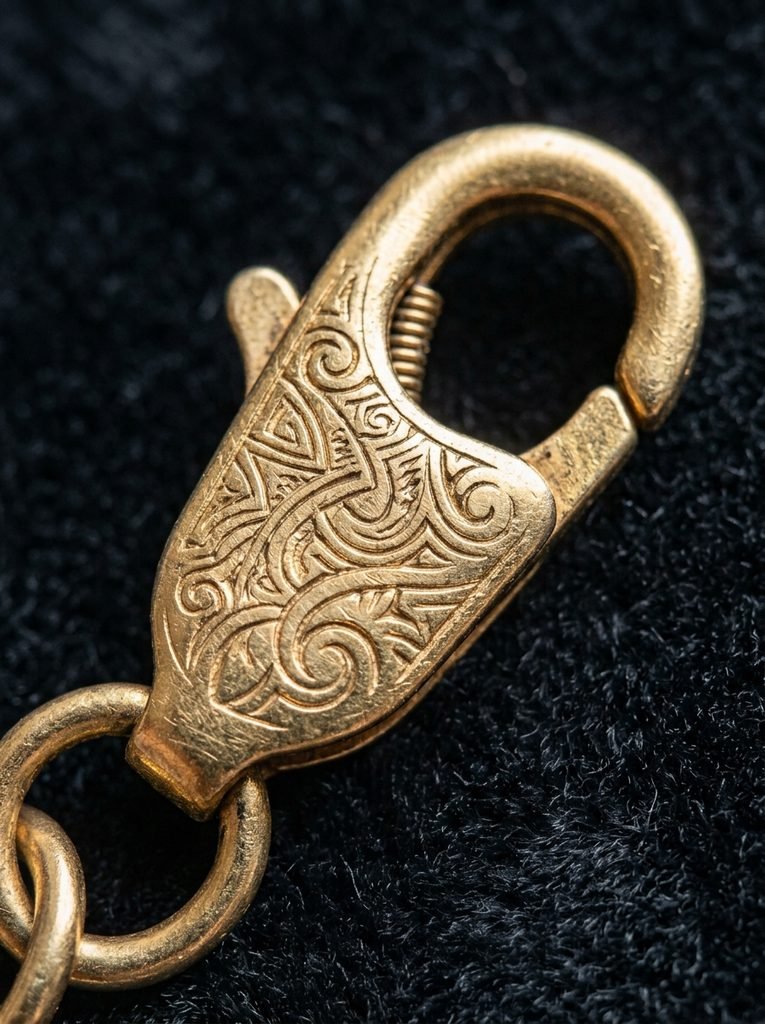
- Hardware. Pick it up and feel it. Quality clasps, zippers and base studs have heft. Engravings should be clean and cut to an even depth, and the metal tone should match on every fitting.
- Heat stamps and fonts. Look for crisp letterforms, consistent spacing and an impression pressed evenly into the material. Smudged, overly thick or crowded lettering is a warning.
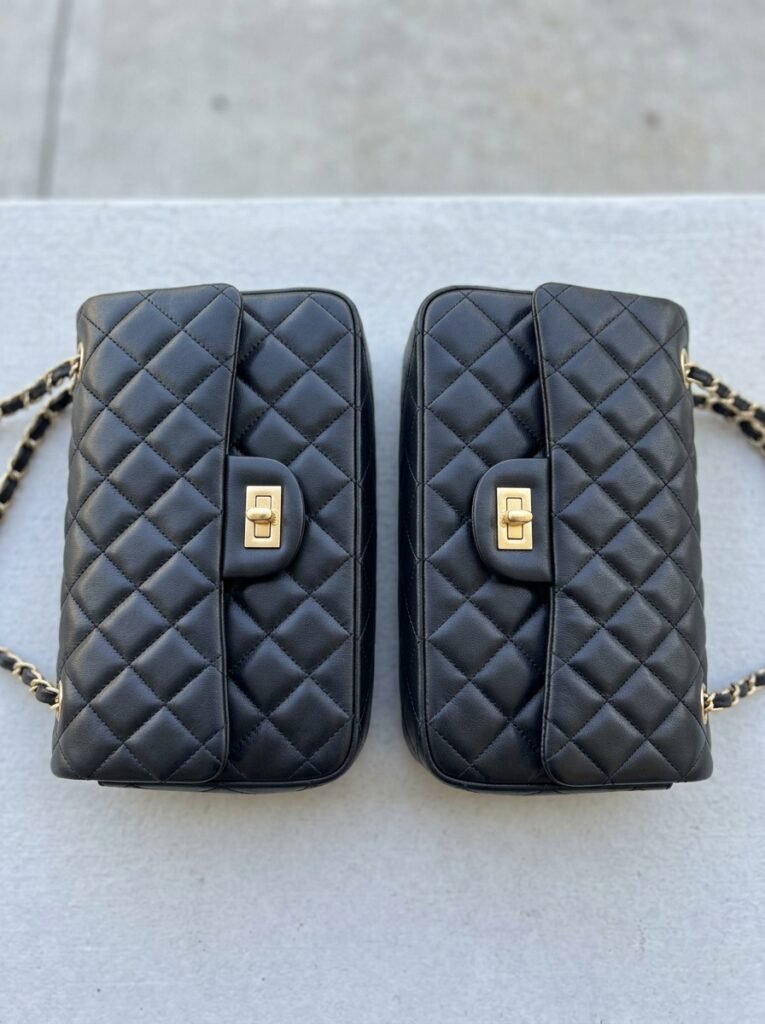
- Pattern alignment. On printed or quilted designs, motifs and lines should flow across seams and panels in a deliberate way. Awkwardly sliced motifs or quilting that fails to meet at the seams deserve a closer look.
- Interior construction. Many fakes spend their effort on the outside. Check the lining fabric, pocket layout, zip pulls and internal finishing against what that model and period should have.
- Identifiers. Leave these until last, and use them only to confirm the bag’s era makes sense — never as the final word.
Real Vs Fake — What Each Component Tends To Show
| Component | Genuine tendency | Common fake tendency |
|---|---|---|
| Stitching | Uniform, angled, steady density | Uneven or bunched at pressure points |
| Hardware | Solid weight, clean engraving, matched tone | Light feel, shallow marks, mismatched colour |
| Heat stamp | Crisp, well spaced, even depth | Fuzzy, heavy, crowded |
| Pattern | Flows across seams and panels | Sliced or mismatched at joins |
| Edge paint | Smooth and level | Lumpy, cracked or overly shiny |
| Identifiers | Fits the bag’s era | Wrong era, or two systems on one bag |
How To Spot A Fake Designer Bag Before You Pay
Plenty of bad purchases could have been avoided without ever touching the bag. The listing, the conversation and the payment request often reveal the problem first.
A price that doesn’t fit the market. Popular luxury styles hold value on the resale market. If a sought-after model is listed well below what similar pre-owned pieces sell for, the discount usually has an explanation you won’t like.
Photos that dodge the details. Request clear close-ups of handle stitching, hardware engravings, the heat stamp, the lining and — for older pieces — any code or sticker. A genuine seller loses nothing by sending them. Reluctance is information.
Paperwork doing the heavy lifting. Receipts, cards and boxes can all be faked or sold separately. Give them weight only if every detail lines up with the bag and the seller has a believable history.
Pressure to “just scan it.” Anyone presenting a chip scan as proof either misunderstands the technology or is counting on you to.
Buying Channel Risk
| Where you buy | Relative risk | What protects you |
|---|---|---|
| Brand boutique or official website | Lowest | The brand’s own guarantee |
| Established resale platform with in-house authentication | Low | Authentication plus a clear refund policy |
| Consignment store | Medium | Ask who authenticates and what the return terms are |
| Peer-to-peer marketplace | High | Independent authentication before money changes hands |
| Social media messages or private groups | Highest | Very little — avoid for expensive items |
Wherever you live, if you’re not sure how to tell if a designer bag is real, pay using a method that offers buyer protection, and refuse any request to send money in a way that removes it.
Common Issues That Fool Buyers (And Wrongly Condemn Real Bags)
Mistakes go in both directions. Plenty of genuine bags get labelled fake by buyers applying outdated rules.
No visible code on a newer Louis Vuitton. That’s exactly what you should expect after the move to chips. The real concern is the opposite: a supposedly recent bag carrying an old-style printed code.
A worn or peeling Chanel sticker. Stickers age badly, especially in warm, damp climates. Damage by itself says nothing about authenticity.
Differences across decades. Older bags were made in different workshops, under different standards, with different linings, fonts and hardware finishes. Holding a thirty-year-old bag up against a current model will throw up false alarms.
Repairs and replacement parts. A new zip, refreshed edges or rebuilt handles can mean non-original components on a genuine bag. A good authenticator separates repair work from the original construction.
Honest wear mistaken for poor quality. Softened leather and darkened handles are part of normal ageing. True quality problems show up in places wear doesn’t reach — inner seams, stamp sharpness, engraving detail.
Professional Handbag Authentication Services: What You Get
A handbag authentication service pairs trained specialists with, in some cases, magnified imaging tools that compare materials against known genuine examples.
What separates a trustworthy service from a pointless one:
- Brand expertise. People who concentrate on particular houses have simply seen more real and fake examples of them.
- A documented result. A report or certificate linked to photos of your specific bag, not a vague yes or no.
- Something at stake. Reputable services and platforms back their verdicts with a refund or compensation policy.
- In-person inspection for top-value bags. Photo reviews work well for screening. For the most expensive pieces, having the bag physically examined is the safer route.
Free opinions in online groups can be helpful but come with no accountability. Treat them as a starting point, not a verdict.
Outlook: Digital Product Passports And What Changes Next
The next big shift may come from outside the fashion houses. Governments and industry groups in several markets are moving toward digital product records — scannable, item-level histories covering materials, origin and ownership. Some luxury groups have already experimented with blockchain-backed certificates that travel with a bag when it’s resold.
If these systems become widespread and open to buyers, checking a bag could eventually become as simple as scanning a label and seeing a record the brand itself stands behind. That’s not the situation today. For now, most chips inside luxury bags remain closed systems — useful to the brand, unreadable to you.
Until that changes, the skills in this guide stay essential.
Honest Limits Of DIY Checks And Where To Verify Officially
No article can authenticate a bag through a screen, and this one doesn’t pretend to. Home checks are good at catching obvious fakes and raising flags on doubtful ones. They are not good at catching the best superfakes, which are made by people who study exactly the checklists buyers use.
Counterfeiting is a global business, and leather goods are one of its favourite targets. That’s true whether you’re shopping in Dubai, London, Karachi, Toronto or Sydney.
Where to get a reliable answer:
- The brand — for bags bought new, keep your original purchase records. Policies on checking secondhand items differ between houses and countries, so ask your local boutique directly.
- A specialist authentication service — for any pre-owned purchase of real value, ideally before your payment is released.
- An established resale platform — one that authenticates every item in-house and states its refund terms clearly.
If a deal only works when you skip all three, the deal is the warning.
FAQ
Can I scan a Louis Vuitton microchip with my phone?
Your phone may register that a chip is present, but the information is only meaningful through the brand’s own systems. A detected chip is not confirmation, and counterfeit bags can contain chips too.
Does a receipt prove a designer bag is real?
Not by itself. Receipts can be altered or bought separately. It helps only when every detail matches the bag and the seller’s history is credible.
Is it illegal to buy a fake designer bag?
Rules vary widely between countries. In some places buyers can be fined or have goods confiscated, and customs authorities in many regions seize counterfeits sent by post. Check the law where you live.
Do genuine designer bags ever have crooked stitching?
It’s rare on new bags. Older or repaired bags may show small irregularities, which is why stitching is always judged together with the other components.
How long does professional authentication take?
Photo-based reviews are often completed within a day or two, while physical inspections take longer because of shipping. Turnaround depends on the service and the brand.