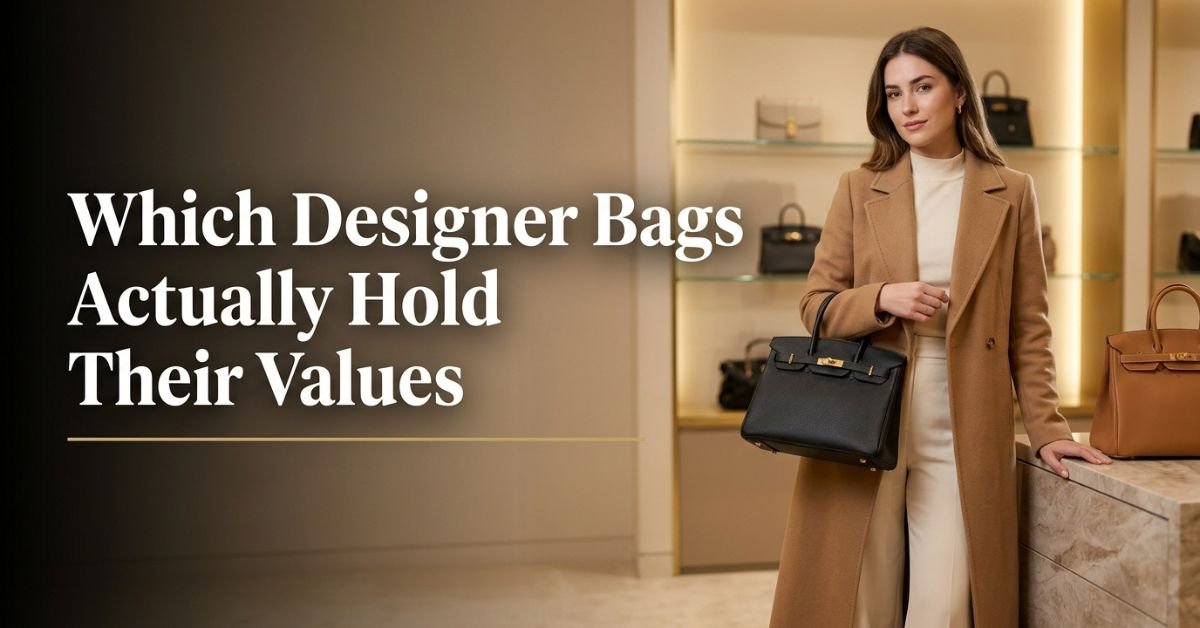
Which Designer Bags Actually Hold Their Values
Walk out of a boutique with most luxury handbags and the bag has already lost value. Within a year, many sell second-hand for half of what their owners paid, sometimes less. A small group of bags does the opposite: they keep most of their price, and a few sell for more than they cost new. Whether you shop in Paris, Dubai, Seoul, New York or Lahore, the same short list of bags keeps coming up.
Which group your bag lands in is rarely an accident. This guide explains which designer bags hold their value, why they do, and the choices at the counter that decide what you get back later.
Quick Answer: The designer bags that hold their value best are Hermès classics like the Birkin, Kelly and Constance, Goyard’s Saint Louis tote, Chanel’s Classic Flap, and long-running Louis Vuitton styles such as the Speedy and Neverfull. Choosing a classic size, a neutral colour and a durable leather, and keeping all the original packaging, matters almost as much as the brand.
Designer Bags That Hold Their Value: The Short List
Every bag on the list below fits at least one of those reasons. The strongest fit all three.
| Tier | House | Models worth a look | What keeps them valuable |
|---|---|---|---|
| Often above retail | Hermès | Birkin, Kelly, Constance, Picotin | The brand tightly limits who can buy them and how many |
| Often above retail | Goyard | Saint Louis, Artois, Anjou | Mostly boutique-only, and the range barely changes |
| Close to retail | Chanel | Classic Flap, 2.55 Reissue, Boy | Retail prices rise regularly, lifting older bags with them |
| Close to retail | Louis Vuitton | Speedy, Neverfull, Alma, small leather goods | Constant worldwide demand over many decades |
| Strong but newer | The Row | Margaux, Park Tote | Limited distribution and strong demand for logo-free style |
| Depends on version | Bottega Veneta, Dior | Andiamo, Cassette, Lady Dior, Saddle | Distinctive designs; the exact version decides resale |
The steps below take you from “I want a designer bag” to “I want the one people will still pay well for in ten years.
Start With The Houses That Control Their Own Supply
Hermès is the textbook case. Its most famous bags are not simply sitting on shelves. Sales staff decide who gets offered a Birkin or Kelly, often favouring clients who already buy from the house. Plenty of people don’t want to wait years or build a purchase history, so they turn to the resale market and pay extra to skip the line. That extra is why these bags so often sell second-hand for more than their boutique price.
The Birkin and Kelly get the headlines, but they are not the only option. The Constance, the Picotin and the smaller Hermès leather pieces work on the same principle at lower prices. For many buyers, they are the sensible way into the brand.
Goyard is less famous but works in a similar way. The house sells mostly through its own stores, rarely changes its designs and does very little advertising. The Saint Louis tote, in its coated canvas, is recognised by luxury shoppers across Europe, the Middle East and Asia, and it tends to sell quickly on the resale market wherever it appears.
Add The Brands That Keep Raising Their Prices
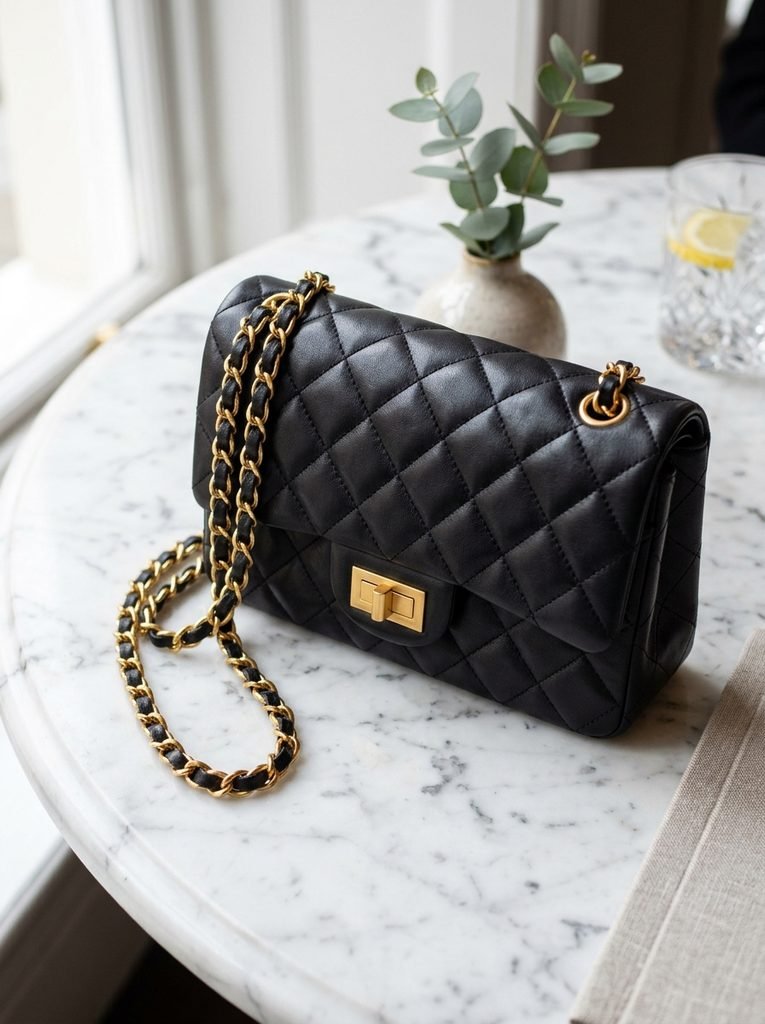
Chanel shows this better than anyone. Over the past decade, the Classic Flap has become far more expensive at retail than it once was. Every time the boutique price goes up, buyers become more willing to pay more for a pre-owned one. Someone who bought a Classic Flap years ago can sometimes sell it today for more than they originally paid, even after years of use.
Louis Vuitton’s strength comes from somewhere else. Its prices climb too, but its real advantage is that the demand never seems to stop. The Speedy has been around in one form or another for close to a century. The Neverfull became one of the most-carried totes on the planet. Because so many people want these bags in so many countries, they are among the easiest luxury items to resell anywhere.
A small tip: Louis Vuitton’s smaller pieces, such as pochettes and compact crossbody bags, often hold value surprisingly well. They sit at a lower price point, which means far more people can afford them second-hand.
Weigh The Quiet-Luxury Newcomers Carefully
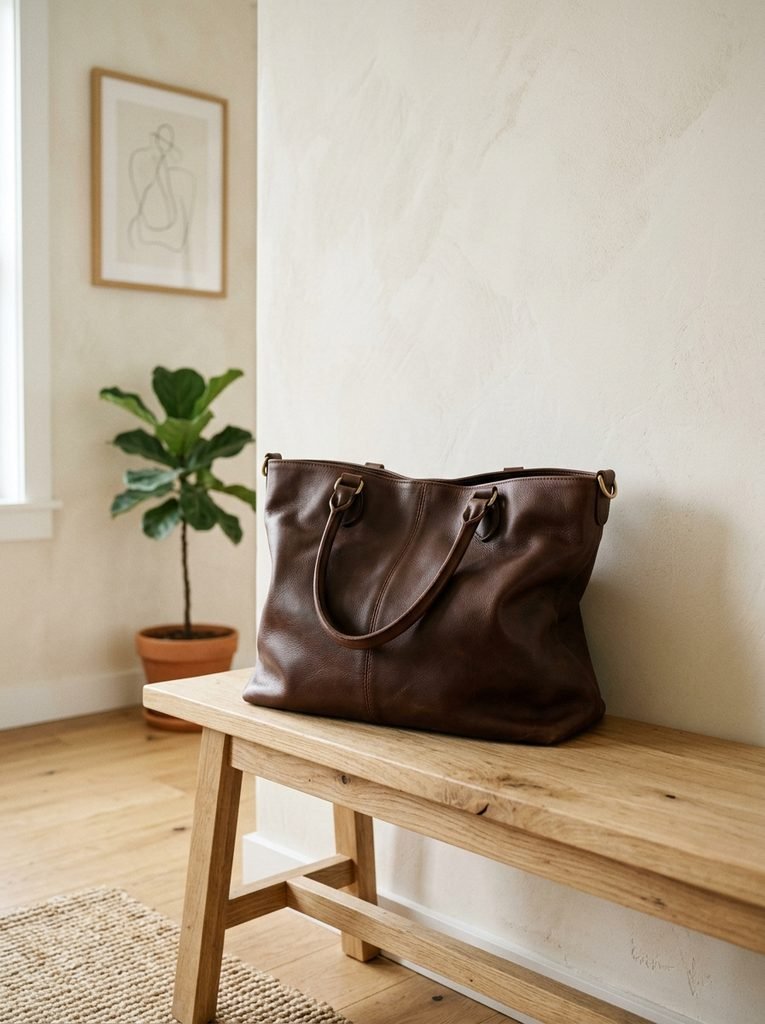
The Row has become one of the most talked-about names in luxury. Its bags carry no visible branding, and that is exactly the appeal: people who recognise them know what they are, and nobody else needs to. The Margaux in particular has become a quiet status symbol, and good examples resell strongly.
Bottega Veneta sits nearby. Its woven leather is so recognisable that it works as a logo without being one. The Andiamo and the Cassette have both held up well second-hand.
Still, it’s worth being honest about the risk. Quiet luxury is partly a matter of taste, and tastes move. These bags are valuable today because many people want them and the brands keep supply tight. If either changes, resale prices could slip faster than they would for a Kelly or a Classic Flap. On the plus side, their simple shapes suit almost any wardrobe, from sharp office wear to long, modest silhouettes, and that broad appeal helps keep demand steady.
Choose The Exact Version That Resells
This is the step most shoppers skip, and it’s where money quietly disappears. Two bags with the same name can sell for very different amounts because of choices made at the counter.
- Size: The most practical sizes sell fastest. Medium and small classics suit the widest range of buyers. Oversized versions are harder to move, and tiny minis only perform well at brands where they are genuinely scarce.
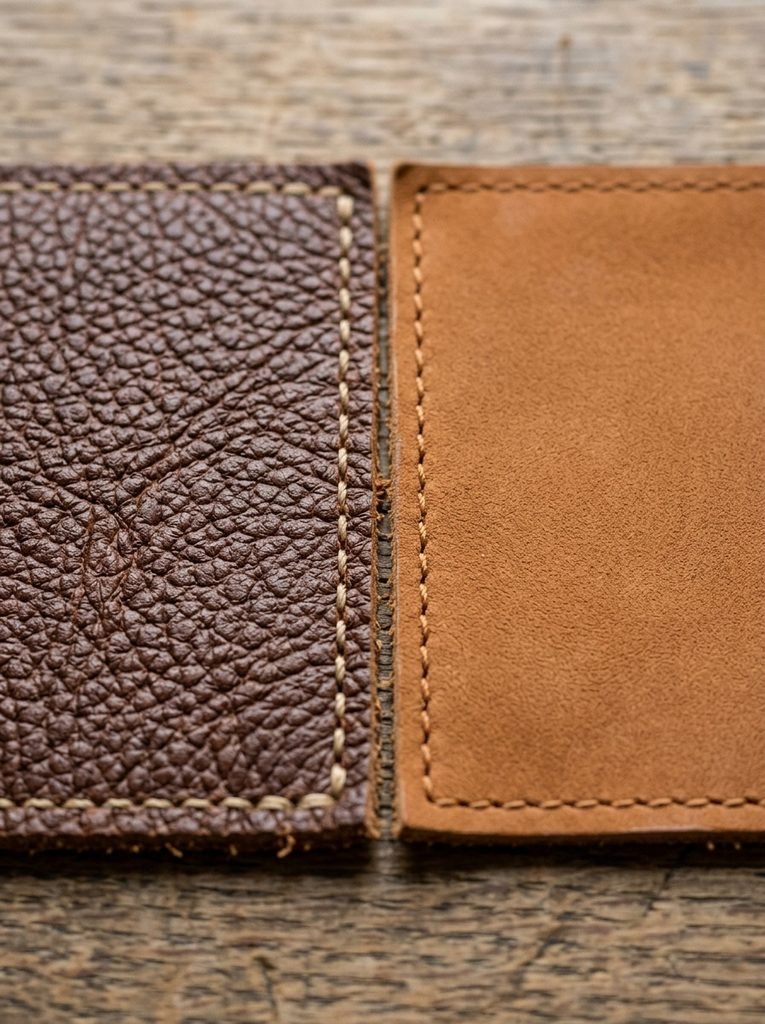
- Leather: Tough, textured leathers resell better than delicate ones. Pebbled or grained leather hides scratches and holds its shape, while soft, smooth leather shows every mark. At Chanel, for example, the grainy caviar leather is usually the safer resale choice than smooth lambskin.
- Colour: Black is the most reliable colour in almost every market. Tan, camel, taupe, beige, navy and deep brown come close behind. Bright seasonal shades can look exciting for a season and then become hard to sell.
- Hardware: Clean, unscratched hardware matters more than most people think. Gold tones tend to be popular on warm-coloured bags, silver tones on black and grey.
Buy Through A Route That Protects Resale
Buying new from the brand’s own store gives you the strongest proof that the bag is genuine. The receipt, with the store location and date, is worth more than people realise. Keep it safe for as long as you own the bag.
Buying second-hand has its own advantages. You avoid the first drop in value that hits many brands, and with Hermès you skip the waiting game entirely. The trade-off is risk. Fake handbags have become extremely convincing, and they now copy newer brands as well as the old favourites.
If you buy pre-owned, choose a seller that checks every item for authenticity before shipping and lets you return it if something turns out to be wrong. Ask for close, clear photos of the stamps, stitching, interior labels and any serial or date codes. And if the price is much lower than similar bags in the same condition, walk away. A deal that looks too good usually is.
Keep Condition And Paperwork Complete
Second-hand bags are usually graded by condition, from “like new” down to “well worn,” and each step down lowers the price. The first places to show wear are the corners, the handles, the edges of flaps and the lining inside. Anything that rubs against clothing or gets handled constantly will age first.
Keep everything that came with the bag: the box, the dust bag, any cards or booklets, the receipt, even the shopping bag and ribbon. A complete set tells a buyer the bag was looked after and makes it easier to prove it is real. That reassurance adds value.
A few simple habits go a long way:
- Fill the bag with acid-free tissue paper when you store it, so it keeps its shape.
- Keep it inside its dust bag, away from sunlight, heat and damp.
- Avoid hanging structured bags by their handles for long periods.
- Carry pens, makeup and loose keys in a small pouch, not straight in the lining.
- Rotate your bags so one piece doesn’t take all the daily wear.
Know Which Bags To Skip If Value Matters
Certain types of bags lose value almost every time:
- Seasonal colours and prints that belong to one particular year.
- Bags that go viral online and then disappear from conversation just as fast.
- Brands that are frequently on sale, whether through seasonal markdowns, outlet stores or discount retailers. Buyers won’t pay a strong second-hand price for something they’ve seen heavily discounted new.
- Exotic skins at most brands. They cost more to begin with, fewer people want them, and some countries restrict their import or export.
- Brand-new designs from any label, until they’ve been on the market long enough to prove lasting demand.
Occasionally an old style comes back into fashion and its second-hand price jumps. But hoping your bag becomes a comeback story in fifteen years is a gamble, not a plan.
Decide When And Where To Sell
There are three main ways to sell. Consignment, where a reseller lists the bag and takes a cut when it sells, usually brings the highest price but can take weeks or months. An instant buyout pays less but puts money in your hand straight away. Selling privately can bring the best price of all, but you take on the job of proving authenticity and the risk of a difficult buyer.
Timing plays a part too. Bags from brands that raise prices regularly tend to fetch more once a new price rise has taken effect. The most sought-after classics sell well at almost any time of year. For trendier pieces, sell while people are still talking about them, not after the excitement fades.
Who Should Buy Now, And Who Should Wait
Buy now if you already know the exact bag and version you want, you’ll carry it often, and it fits comfortably within your budget. Prices at the top houses have tended to rise over time, so waiting rarely makes the same bag cheaper in the store.
Buy second-hand now if you want a proven classic without the waiting list and you can buy from a seller that checks authenticity.
Wait if you’re mainly attracted to a bag because everyone seems to be carrying it this season, if buying it would strain your finances, or if you’re thinking of it purely as an investment. A handbag is not a savings account. Nothing guarantees its future price, and it loses a little value every time it’s used.
Wait too if you’re considering one of the newer quiet-luxury favourites without truly loving it. Give it another year or two, and you’ll see whether its popularity lasts.
Key Takeaways
- Hermès and Goyard are the two houses whose bags most often sell second-hand for more than their boutique price.
- Chanel’s Classic Flap and Louis Vuitton’s long-running classics hold much of their value thanks to rising prices and steady global demand.
- The Row and Bottega Veneta resell well today, but they have a shorter history.
- The exact version matters: size, leather, colour, hardware and condition all shape the final price.
- Keeping every piece of packaging, storing the bag properly and buying through a safe route protect its value more than any single style choice.
FAQ
Do designer bags really go up in value?
A small number do. The most sought-after Hermès bags often sell for more than their store price, and a well-kept Chanel Classic Flap can sometimes sell for more than its original cost. Most other designer bags lose some of their value, and many lose a large share.
Which designer bag is the best first buy for resale?
For a first bag, a Louis Vuitton Speedy or Neverfull, or a Goyard Saint Louis tote, offers a good balance of price and resale strength. A second-hand Chanel Classic Flap in grained leather is a step up for bigger budgets.
Is the Birkin still worth buying?
For resale, the Birkin remains the most dependable handbag in the world. The biggest challenge is getting one at the boutique, and the price it fetches later depends heavily on its size, leather, colour and condition.
Does the colour of a bag change its resale price?
Yes, noticeably. Black and warm neutrals are the easiest colours to sell in almost every country. Bright or seasonal colours can be harder to sell once their moment has passed.
Should I keep the box and receipt for my designer bag?
Yes, always. A bag sold with its box, dust bag, cards and receipt usually sells faster and for more, because the buyer can see it was cared for and can check its authenticity more easily.