Counterfeit Fashion: Legal Risk Of Buying And reselling
A jacket with a familiar label appears online for a fraction of its usual price. The seller calls it “almost identical,” “factory surplus,” or “a replica.” Those phrases may sound reassuring, but they do not establish where the item came from or whether the seller has permission to use the brand’s name and marks.
For shoppers, a suspected fake can mean a disappointing purchase, trouble getting a refund, or a shipment that never arrives. For resellers, the stakes can grow: a listing may be removed, an account restricted, a buyer may demand their money back, or a rights holder may challenge the sale. The details depend on the country, the product, and what the seller knew or claimed.
This guide is for readers in different markets. It explains the practical difference between fake branded goods, unbranded lookalikes, and genuine pre-owned clothing, then looks at the risks that can arise when someone buys, imports, advertises, or resells fashion items. Laws differ around the world, so this is general information, not legal advice for a particular situation.
At A Glance: Buyer, Reseller, Or Genuine Second-Hand Seller
| Situation | Main question | Possible practical concern |
|---|---|---|
| Buying a suspiciously cheap branded item | Is it genuine, and what did the seller promise? | Losing money, receiving a poor-quality product, or facing difficulty with a refund |
| Buying a fake for personal use | What rules apply where the buyer lives and where the item is shipped? | The item may be delayed, refused, or handled under local customs rules |
| Selling a branded counterfeit | Does the product use a protected name, logo, label, or other brand sign without authorization? | A complaint, listing removal, account restrictions, refund demands, or legal action |
| Selling an authentic pre-owned item | Can the seller support the claim that the item is genuine and describe its condition accurately? | A dispute if the item is misdescribed or its authenticity is challenged |
| Selling an unbranded lookalike | Does the design or marketing create a separate legal issue in that market? | A style imitation may still raise questions, even without a copied logo |
The key distinction: an authentic pre-owned coat, a logo-free garment inspired by a trend, and a fake branded coat are not automatically the same thing. The item’s markings, the seller’s claims, and the local rules all matter.
What Counts As Counterfeit Fashion
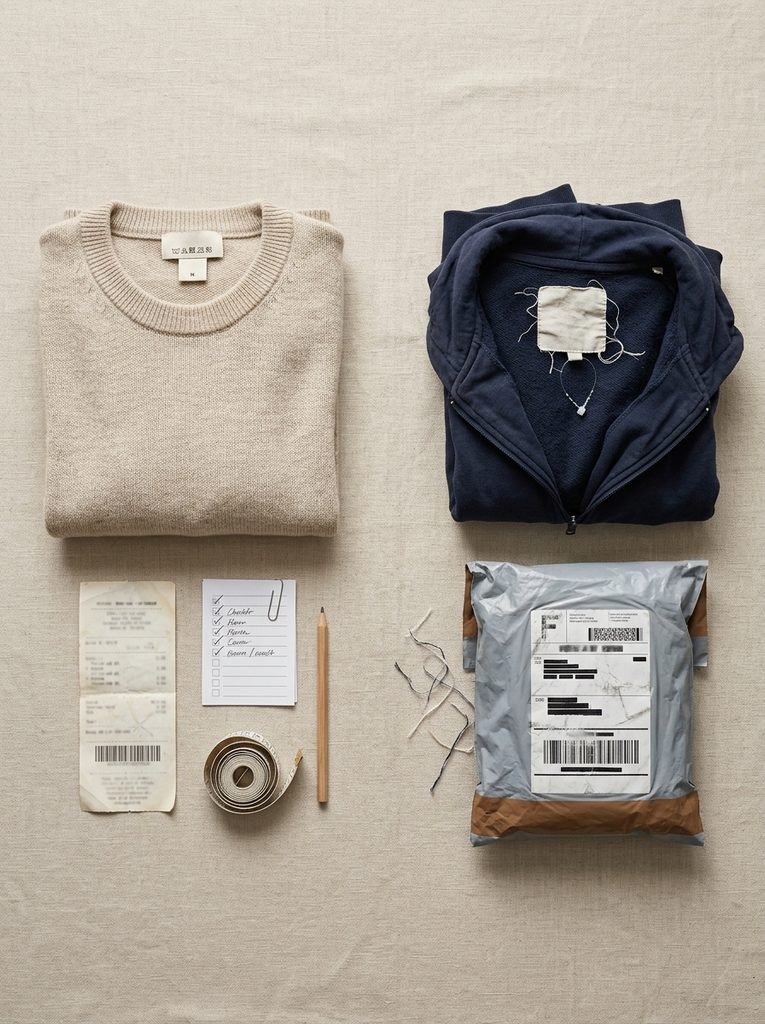
Counterfeit fashion usually means clothing or accessories that use a brand’s name, logo, label, or another protected sign without permission in a way that can make people believe the item comes from the brand or an authorized source. A fake handbag carrying a copied logo is a familiar example. So is a shirt bearing a brand label that the maker had no right to use.
A product may be counterfeit even if its quality is poor, its packaging looks different, or the seller openly calls it a replica. The label the seller chooses does not necessarily change the nature of the item. A disclaimer such as “not authentic” may tell the buyer that the item is fake, but it does not automatically give the seller permission to use a protected mark.
The word lookalike is often used more loosely. Someone may use it for a product that resembles a popular style but does not carry a copied brand name or logo. A close resemblance may still raise questions under local rules about design protection, misleading marketing, or unfair competition. But resemblance alone does not tell us whether a product is counterfeit. It takes a closer look at what has been copied and how the item is presented.
Genuine second-hand fashion is different: it is an authentic item being sold again. Resale is common in many places, but sellers still need to be truthful about authenticity, condition, and any known repairs. They should also avoid suggesting that a brand approves or sponsors their shop if that is not true.
Buying A Suspected Fake Versus Selling One
The same item can create different practical and legal questions depending on what each person does with it.
A consumer who buys one suspicious item for personal use may be focused on whether the goods arrive, whether they match the listing, and whether a refund is possible. A person who imports many branded items and advertises them for resale is operating in a different context. Repeated sales, stock held for customers, and promotional claims can make an activity look more like a business than a one-off personal purchase.
That does not mean every buyer is treated like a commercial seller. It also does not mean a buyer can assume that personal use automatically makes every purchase or import lawful. Rules vary. A country may treat private luggage differently from parcels arriving through online shopping, and commercial quantities differently from a single item.
For a seller, the words used in the listing can matter. Calling a product “authentic,” “verified,” or “official” may mislead a buyer if the seller cannot support the claim. Even when the seller discloses that an item is a replica, the use of the brand’s name, label, or logo can remain an issue under local intellectual-property rules.
If the seller did not know an item was fake, that fact may matter to how a complaint is assessed. It does not guarantee that a platform will keep the listing online, that a buyer will be denied a refund, or that a rights holder will take no action. Once doubts arise, continuing to sell the item without checking can make the situation harder to explain.
What Can Happen To A Reseller
The Listing May Be Removed
Online marketplaces and social platforms often set rules against counterfeit products. A brand, a buyer, or a marketplace review team may flag a listing. The platform may take it down, limit the seller’s account, hold payment, or ask for proof of authenticity.
Each service has its own process. A seller who believes a genuine item was wrongly flagged should keep the notice, gather purchase records, and use the platform’s official appeal route. Relisting the same item under a different title or sending buyers to private messages may worsen the seller’s position and can breach platform rules.
A Buyer May Ask For A Refund
If the listing gave the impression that an item was genuine, a buyer may complain when they receive something they believe is fake. They may request a refund, open a payment dispute, or report the seller to the marketplace.
A seller should keep the original product description, photographs, conversations, payment records, and shipping details. If the product’s authenticity is in question, making new claims without evidence can create more problems. A calm response and clear records are more useful than arguing with the buyer or deleting messages.
Consumer-protection rules differ by country. Some places give buyers specific remedies for goods that do not match their description. Other disputes may be handled mainly under a marketplace’s terms or a payment provider’s process. The buyer’s location and the seller’s location can both be relevant.
A Brand Or Rights Holder May Challenge The Sale
A brand owner may object to unauthorized use of its name, logo, or other protected elements. The response could begin with a notice requesting that a seller stop offering the goods or remove certain material. In some situations, the dispute may go further.
A seller should not assume that selling only a few items, using a second-hand platform, or writing “replica” in the description automatically resolves the issue. Nor does every complaint prove that a seller has violated the law. The facts, evidence, and local rules matter. If a formal legal notice arrives, the seller should preserve the records and consider speaking with a qualified lawyer before agreeing to demands.
A Shipment May Be Delayed Or Stopped
Cross-border shopping adds another layer. A parcel may be inspected, delayed, returned, or otherwise handled under customs procedures if the contents are suspected of infringing intellectual-property rules. The process can vary according to the country, the type and quantity of goods, and whether the shipment appears to be for personal or commercial use.
Do not treat a rule about a traveller carrying a personal item as a blanket permission for online orders or resale stock. A shopper should read the notice sent by the relevant authority and follow its instructions. Ignoring a customs message can mean missing a deadline or losing the chance to explain what happened.
Why The Legal Picture Differs Around The World
There is no single worldwide rule that answers every question about buying or reselling counterfeit fashion. Countries may define infringement differently, provide different remedies, and set different procedures for customs, marketplaces, and courts.
The country where a product was made is not necessarily the only relevant place. A sale can involve the seller’s home, the buyer’s home, a marketplace based elsewhere, and a route through several countries. A seller shipping to another market should not assume that the rules where they live are the only rules that could matter.
It is useful to separate three issues:
- Brand rights: Does the product use a protected brand name, logo, label, or design without permission?
- Consumer claims: Was the buyer told something untrue or given a product different from what the listing promised?
- Border and platform rules: Can customs hold the goods, or can the marketplace remove the offer under its own terms?
These questions can overlap, but they are not identical. A marketplace can remove a listing under its contract with a seller even before a court decides a legal claim. A consumer may have a refund dispute even when no rights holder is involved. Customs may use procedures that do not settle every issue between the buyer and seller.
For international sellers, the practical lesson is to check the rules in the destination market before listing or shipping branded goods. A seller handling a large amount of stock, a high-value item, or a formal complaint should seek advice from a qualified professional familiar with the relevant country.
The Risks Of Buying Fake Fashion
A buyer may be drawn in by the low price, especially when the listing includes polished photos or claims that the product came from an “extra” production run. The item may still be fake, and a convincing listing is not the same as proof of authenticity.
There are several practical risks.
First, the product may be poorly made. Stitching, fasteners, dyes, lining, and sizing may differ from what the buyer expects. A label does not guarantee quality control. Some products can also contain materials that are unsuitable for sensitive skin or may be poorly finished.
Second, the buyer may have trouble getting money back. A seller may disappear, deny the item was advertised as genuine, or ask the buyer to return goods at a cost that exceeds the item’s value. Payment protections differ, and deadlines for disputes may be short.
Third, a parcel may not arrive as expected. It may be delayed, returned, or stopped for inspection. The buyer should not rely on the seller’s assurances that “customs never checks” or “everyone orders this way.”
Finally, counterfeit commerce can harm legitimate designers, manufacturers, and workers. It can also support sellers who hide where goods come from or avoid ordinary business obligations. A buyer may not know who made the product or under what conditions.
None of these outcomes is automatic for every purchase. The point is that the savings can come with uncertainty the listing does not show.
How To Reduce Risk Before Buying Or Reselling
If You Are Buying
- Check the seller’s identity and history. Look for consistent contact information, a credible sales record, and clear return terms.
- Treat extreme discounts as a reason to investigate. A low price does not prove the item is fake, but it deserves a closer look when paired with vague claims or missing details.
- Ask for specific photographs. Request clear views of labels, seams, hardware, and any identifying details appropriate for that item. One photo or serial number is not conclusive proof.
- Read the description carefully. Watch for language that avoids a direct answer about authenticity, such as “same factory,” “inspired,” or “premium copy.”
- Use a payment method with a dispute process. Understand the provider’s deadlines and keep proof of payment.
- Save the listing and messages. Screenshots can help if the product is misdescribed or never arrives.
If You Are Reselling
- Keep a record of where each item came from. Save invoices, consignment paperwork, receipts, and the seller’s details.
- Do not overstate authentication. Use terms such as “verified” only when you have a reasonable basis and can explain the process.
- Describe condition precisely. Mention alterations, wear, missing accessories, or repairs rather than relying on flattering photos alone.
- Use your own photographs where possible. Official campaign images can imply a connection with the brand and may have their own use restrictions.
- Do not list an item once serious doubts arise. Pause the sale and investigate rather than transferring the risk to another buyer.
- Review the marketplace rules. A genuine item can still be listed incorrectly if the platform requires particular proof or prohibits certain claims.
- Ask for advice when the stakes are high. Bulk inventory, cross-border shipments, and formal demands deserve careful attention before responding.
These steps lower the chance of confusion but cannot guarantee that an item is authentic or that a listing complies with all rules. Authentication methods have limits, and local law can be more detailed than a marketplace checklist.
What To Do If You Discover An Item May Be Fake
Start by saving evidence. Keep the product listing, the seller’s messages, the receipt, payment confirmation, shipping information, and clear photographs of the item and packaging. Avoid altering labels or packaging while you are trying to determine what happened.
Next, contact the seller and marketplace through their official channels. Explain what you noticed and what the listing promised. If the seller described the product as genuine, include that claim in your complaint. Ask about the platform’s refund or return process and pay attention to any deadline.
If you used a card or payment service, check its dispute process. Provide the documents it requests and describe the issue accurately. Do not exaggerate or claim certainty if you only suspect the item is counterfeit.
If customs or another authority contacts you, read the message carefully and reply through the stated official process. Keep copies of everything you send. If the notice alleges a violation, asks for a formal statement, or concerns valuable goods, seek local legal advice before making commitments.
A person who bought a fake should be cautious about passing it on. Selling the item to someone else can create a new dispute and may expose the next buyer to the same uncertainty.
What To Do If Your Listing Receives A Complaint
Pause the listing while you review the concern. Save the notice, listing text, product photographs, purchase records, messages, and any authentication documentation. Do not delete evidence or create a replacement listing before understanding the platform’s rules.
Check whether the complaint came from the marketplace, a buyer, or someone claiming to represent a brand. Use the contact information provided through the platform or other independently verified channels. Be alert to fake legal threats that ask for unusual payments or personal information.
If you believe the goods are genuine, gather the records that support that belief and follow the marketplace’s appeal process. Avoid making public accusations or sending an angry response. If the complaint is formal, involves a large quantity, or demands payment or other commitments, speak with a lawyer in the relevant jurisdiction.
A complaint is not the same as a final decision. But it should be treated seriously, especially if the seller has continued to receive questions about authenticity.
A Practical Conclusion: Verify Before You List
The safest approach is to know what you are selling and describe it honestly. Authentic second-hand clothing, unbranded garments with a similar style, and branded counterfeits should not be casually grouped together. Their legal and practical risks can differ.
For buyers, the main concerns are whether the item is genuine, whether it matches the listing, and whether a refund is possible. For resellers, the questions also include how the product was sourced, what the seller claimed, where it is being sold, and whether the marketplace allows the listing.
If you cannot verify an item, do not present it as authentic. If you suspect it is counterfeit, pause the sale rather than handing the problem to another buyer. When stock is valuable, sales are commercial, goods cross borders, or a formal notice arrives, get advice from a qualified professional in the country involved.
Key Takeaways
- Counterfeits, lookalikes, and genuine second-hand items are different categories.
- Calling a branded fake a “replica” does not automatically make it lawful to sell.
- Buying one item and operating a resale business can raise different questions.
- Buyers may face refund problems, poor quality, or customs delays; resellers may also face listing restrictions or legal complaints.
- Save transaction records and verify authenticity before making claims.
- Rules vary by country. Seek local advice for formal notices, commercial stock, or cross-border sales.
Frequently Asked Questions
Can I Resell A Designer Item If I Am Not Sure It Is Authentic?
Do not describe it as authentic unless you have a reasonable basis for that claim. Keep the purchase records and photographs, and consider a qualified authentication service for a valuable item. If you have a substantial reason to believe it is counterfeit, pause the listing rather than passing it to another buyer. Platform rules and local laws vary.
Does Writing “Replica” Make A Fake Designer Item Legal To Sell?
Not necessarily. The label may alert a buyer that the seller is not claiming the item is genuine, but it does not automatically grant permission to use a protected logo or brand name. The details of the item, the advertising, the seller’s conduct, and the relevant country’s rules can all matter.
Can A Buyer Get A Refund For Counterfeit Clothing?
Possibly. The options may depend on what the seller promised, the marketplace’s return policy, the payment method, and the consumer rules where the buyer lives. Save the listing and payment records, contact the seller through the platform, and check dispute deadlines with the payment provider.
Can A Marketplace Remove A Listing Before A Court Decides Anything?
Yes. A marketplace may enforce its own seller terms and remove a listing after a complaint or review. That platform decision is separate from a court ruling. Sellers who believe a removal was mistaken should preserve their evidence and use the official appeal process.
Is It Safer To Buy Counterfeit Fashion For Personal Use Than To Resell It?
Personal use and commercial resale can be treated differently, but “personal use” is not a universal exemption from customs or other local rules. A reseller may face added questions about advertising, quantity, repeated sales, and the claims made to buyers. Check the rules that apply where the goods are bought, shipped, and sold.